A Golden Generation Needs a Safe and Healthy Environment
Every parent hopes to see their children grow up healthy, active, and ready to achieve their full potential. Many efforts are made to support this goal—from providing nutritious food and quality education to ensuring children receive proper care and affection.
However, one essential factor is often overlooked: the quality of the environment where children live, learn, and grow.
The air they breathe every day, the water they drink, and the sanitation conditions at home, school, and public facilities all play a significant role in supporting children’s health and development.
After all, a golden generation is shaped not only by education and nutrition but also by a healthy environment that allows children to thrive.
A Healthy Environment Is the Foundation of Children’s Growth and Development
Children are more vulnerable to environmental exposure than adults.
Because their immune systems and vital organs are still developing, they are more sensitive to air pollution, contaminated water, and poor sanitation conditions.
Long-term exposure to environmental pollutants may affect children’s health in many ways, including respiratory problems, waterborne diseases, and reduced overall quality of life.
For this reason, creating a healthy environment is not solely the responsibility of families. It requires collaboration among governments, businesses, educational institutions, and communities to ensure that every child has access to a safe place to grow.
A Healthy Environment Begins with Reliable Measurement
A clean-looking environment does not always mean it is safe.
Clear water may still contain microorganisms or chemical contaminants that cannot be seen with the naked eye. Likewise, air that appears fresh may still contain particulate matter or pollutants that could affect human health.
This is why effective environmental management relies on regular testing, monitoring, and evaluation to objectively measure environmental quality.
Accurate data enables organizations and decision-makers to identify potential risks early and implement appropriate mitigation measures before problems become more significant.
Why Environmental Monitoring Matters
Environmental monitoring helps ensure that environmental conditions remain within applicable quality standards and regulatory requirements.
Several important aspects that require continuous monitoring include:
- Clean water quality for daily use
- Safe drinking water quality
- Ambient air quality in surrounding environments
- Sanitation and environmental health conditions
- Other environmental parameters based on specific site characteristics
By conducting regular monitoring, organizations can make informed decisions based on measurable data rather than assumptions.
SUCOFINDO’s Role in Supporting a Healthier Environment
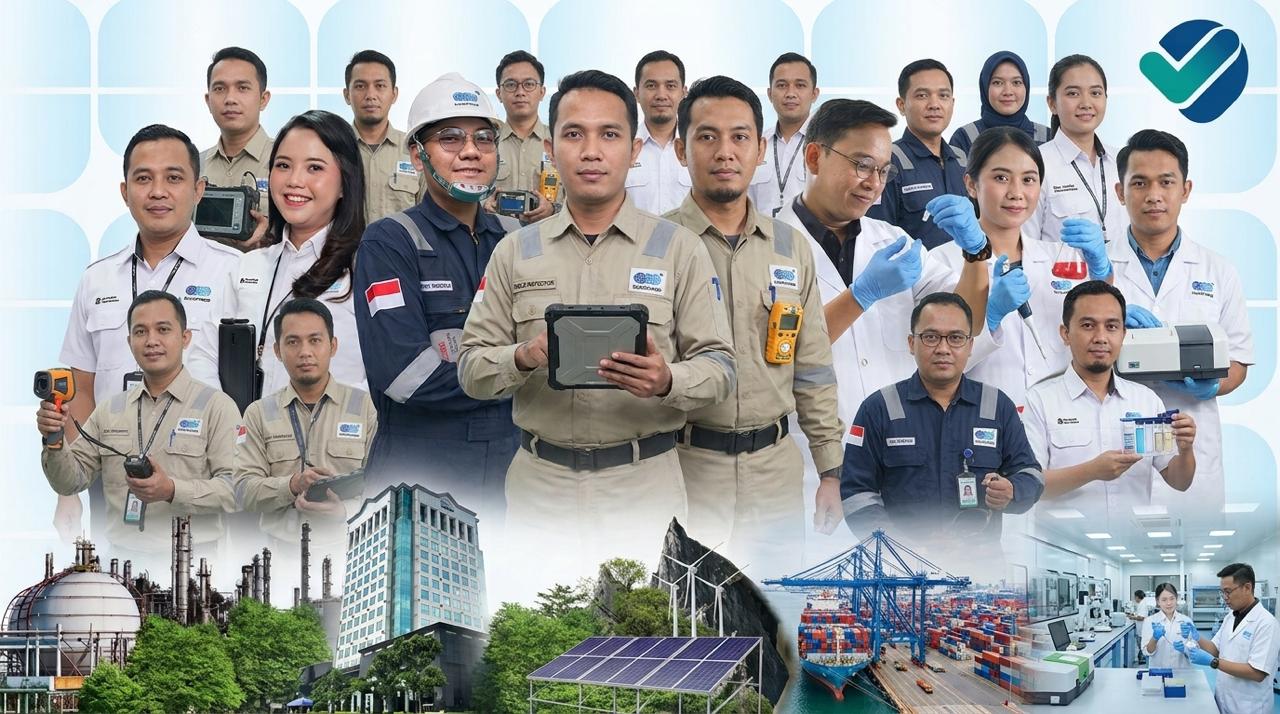
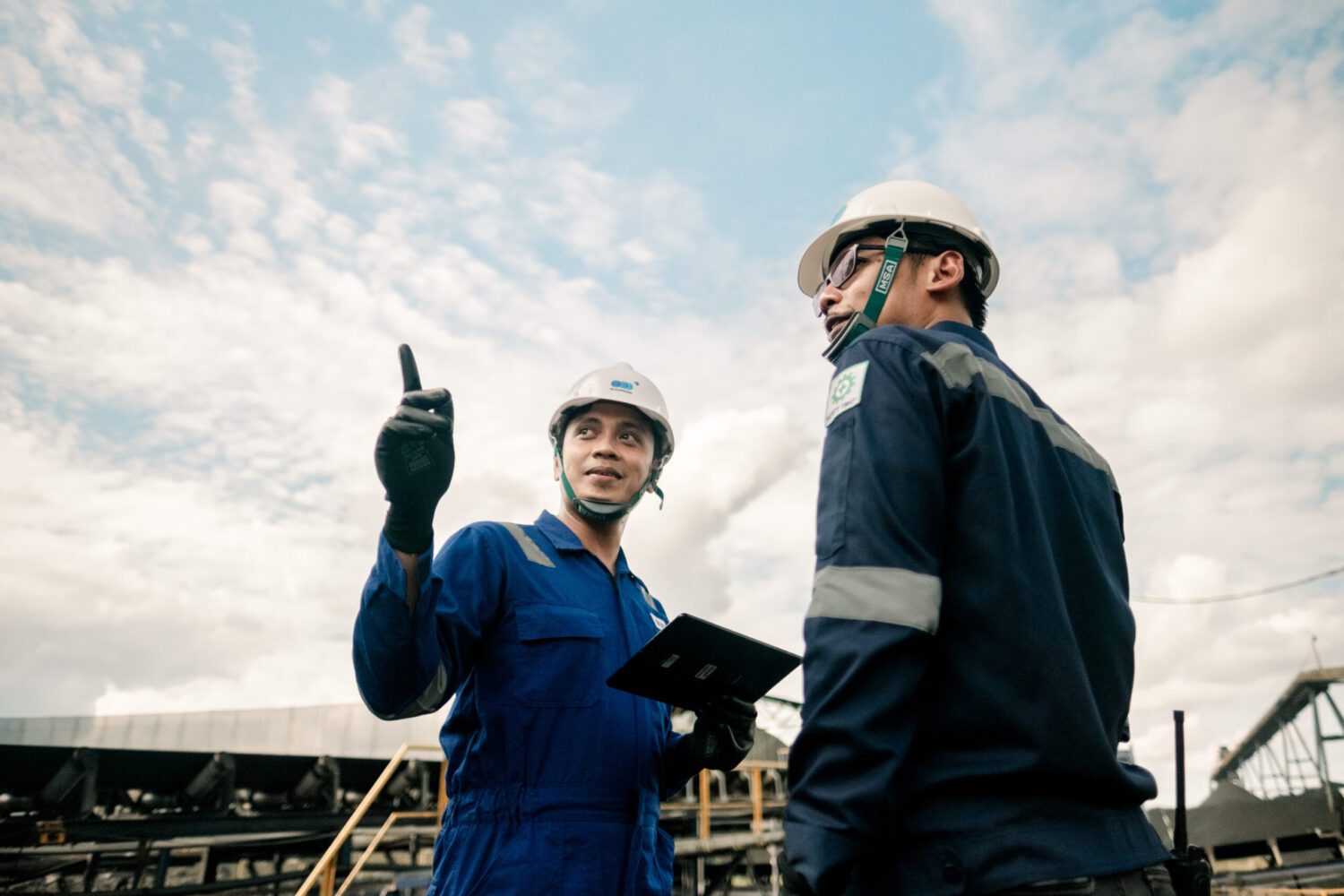
As a Testing, Inspection, Certification, and Consulting (TICC) company, SUCOFINDO supports industries, businesses, and institutions in maintaining environmental quality through laboratory testing, environmental monitoring, inspection, and consulting services.
This integrated approach helps ensure that the environments where people live, work, study, and interact—including places where children spend most of their time—continue to meet established environmental and public health standards.
SUCOFINDO Services Supporting Healthy Environments
- Clean Water and Drinking Water Quality Testing
Conducting laboratory testing on physical, chemical, and microbiological parameters to ensure that water quality complies with applicable standards and regulations.
Testing may include parameters such as pH, turbidity, Total Dissolved Solids (TDS), Escherichia coli (E. coli), Total Coliform, nitrate, nitrite, iron (Fe), manganese (Mn), and heavy metals such as lead (Pb), mercury (Hg), and cadmium (Cd), depending on specific requirements. - Air Quality Monitoring System (AQMS)
Providing continuous air quality monitoring to generate real-time environmental data for effective air quality management.
Monitoring may include parameters such as PM₂.₅, PM₁₀, sulfur dioxide (SO₂), nitrogen dioxide (NO₂), carbon monoxide (CO), ozone (O₃), and meteorological parameters that support comprehensive air quality assessments. - Industrial Hygiene and Environmental Health Assessment
Assessing workplace environments and surrounding facilities to support healthier, safer, and more comfortable environments for employees, visitors, and communities.
These assessments help identify potential environmental health risks and provide recommendations for improvement. - Environmental Monitoring (Water, Air, and Sanitation)
Conducting routine environmental monitoring through sampling, laboratory analysis, and evaluation of environmental quality data to support regulatory compliance and sustainable environmental management.
Building Indonesia’s Golden Generation Starts Today
Indonesia’s Golden Generation will not be shaped solely through quality education or better nutrition.
Its future also depends on the quality of the environment where children grow, learn, and pursue their dreams every day.
Protecting clean water, healthy air, and safe environmental conditions is therefore more than a regulatory obligation—it is a long-term investment in public health, sustainable development, and the nation’s future.
Through its Testing, Inspection, Certification, and Consulting (TICC) services, SUCOFINDO supports organizations across various sectors in creating healthier, measurable, and more sustainable environments that serve as the foundation for Indonesia’s Golden Generation.