Air is an essential part of life that we often take for granted. We breathe it every day without truly knowing its quality. It may look clean—colorless and odorless—but does that mean it is safe?
In reality, many air pollutants are invisible yet can have direct impacts on human health and the environment. This is where ambient air quality testing plays a crucial role—ensuring that the air we breathe is truly safe.
The Air We Breathe Every Day
Ambient air refers to the outdoor air in our surrounding environment—the air we inhale daily. Its quality is influenced by various activities, such as:
- Vehicle emissions
- Industrial activities
- Open burning
- Dust and environmental particles
Because air pollution is often invisible, changes in air quality frequently go unnoticed. That is why air quality must be measured, not assumed.
Why Is Air Testing Important?
Air quality cannot be assessed simply by sight or smell. Many pollutants are not visible, yet they can significantly affect health.
Ambient air testing is conducted to:
- Identify pollution levels
- Provide accurate scientific data
- Support informed decision-making
With reliable data, mitigation and control measures can be implemented more effectively.
Parameters Tested
Ambient air quality testing is based on specific parameters that indicate air conditions, including:
Particulates
- PM10 (coarse particles)
- PM2.5 (fine particles that can penetrate deep into the lungs)
Pollutant Gases
- SO₂ (Sulfur Dioxide)
- NO₂ (Nitrogen Dioxide)
- CO (Carbon Monoxide)
Secondary Pollutants
- O₃ (Ground-level Ozone)
Each parameter has different impacts on health, which is why testing is conducted systematically and in accordance with established standards.
Risks of Air Pollution
Air that appears clean is not always safe. Without proper testing, several risks may arise, including:
- Respiratory health issues
- Exposure to harmful substances
- Decreased quality of life
- Long-term health effects
This makes testing a preventive step to identify risks before they lead to more serious consequences.
The Role of Testing in Industry and Environmental Management
In industrial and development contexts, ambient air testing plays an important role in ensuring compliance with environmental regulations.
Testing results are used for:
- Environmental quality monitoring
- Compliance with environmental documents such as AMDAL or UKL-UPL
- Evaluating the impact of industrial activities
Thus, testing is not merely administrative—it is part of a broader responsibility to protect the environment.
The Role of PT SUCOFINDO (PERSERO) in Air Quality Testing
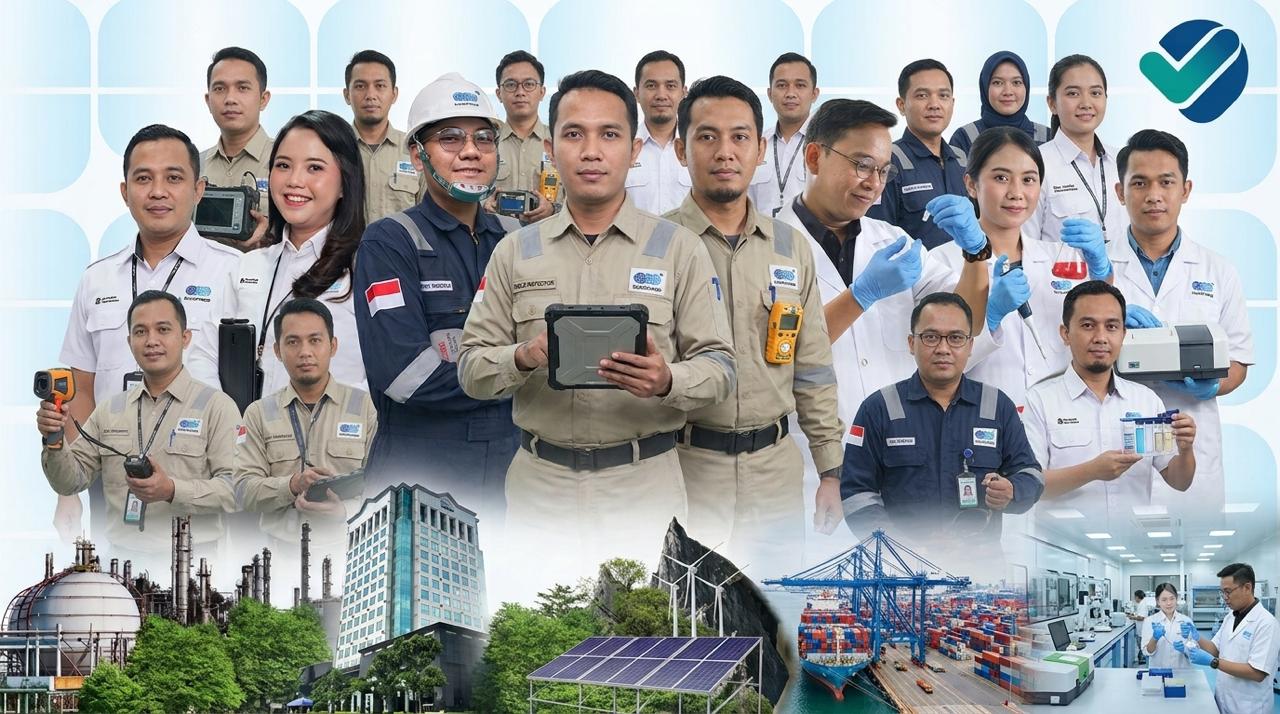
As a Testing, Inspection, and Certification (TIC) company, PT SUCOFINDO (PERSERO) provides ambient air testing services that include:
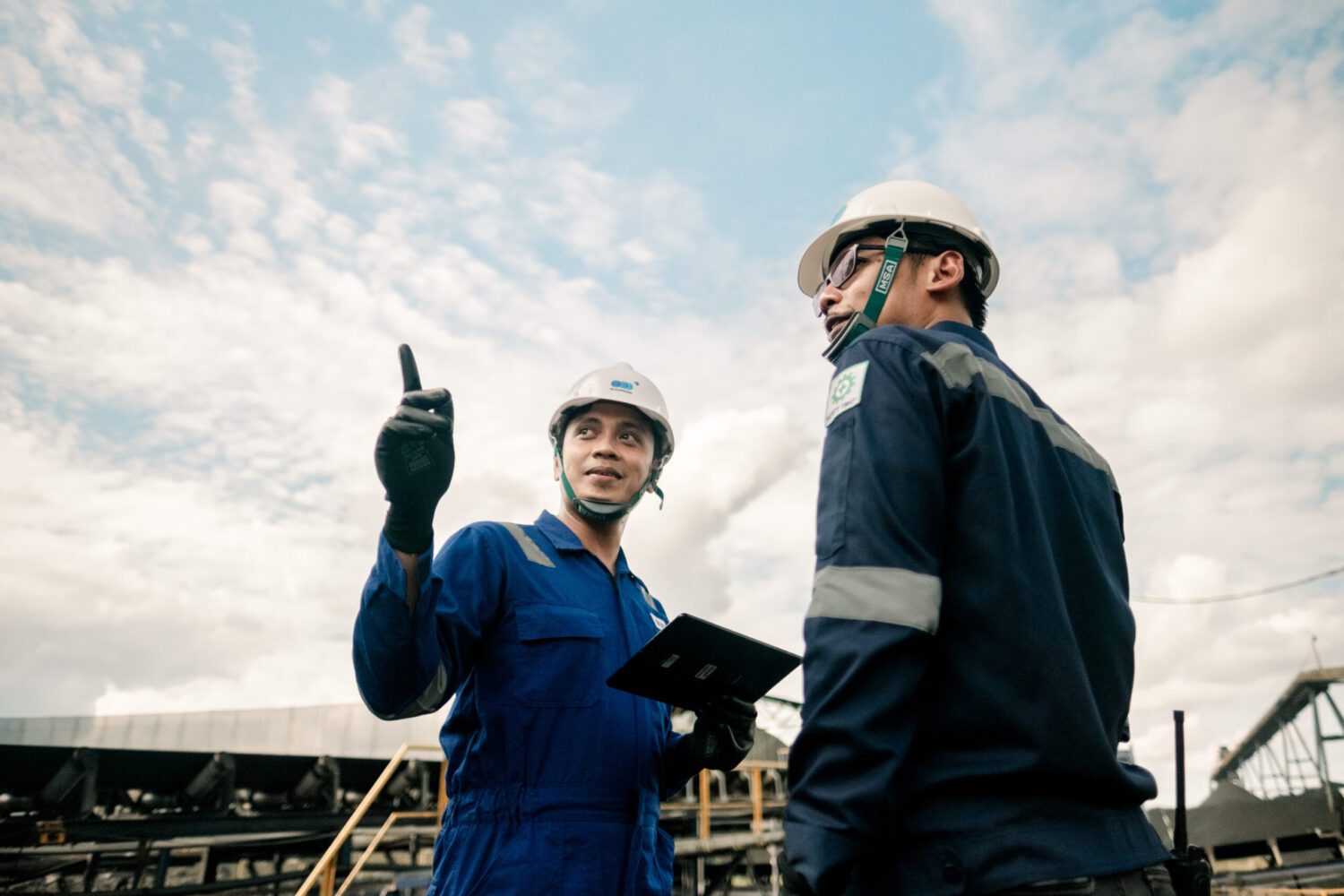
- On-site air sampling
- Laboratory analysis of air quality parameters
- Accurate and reliable reporting
These services help ensure that air quality is monitored objectively and in compliance with applicable standards. Air may be invisible, but its impact is real. What we breathe every day should not only feel safe—it should be scientifically verified.
Through ambient air testing, air quality can be accurately assessed, helping protect public health while supporting environmental sustainability.
Because in the end, clean air is not just a necessity—it is a fundamental right.