Every day, we use plastic—from food packaging and beverage bottles to household products. It is practical, lightweight, and versatile. However, behind this convenience lies a growing challenge: plastic waste management.
Not all plastic can be recycled, and a large portion still ends up in landfills or pollutes the environment. Amid this challenge, a new approach has been increasingly adopted globally: plastic credit.
What is Plastic Credit?
Plastic credit is a mechanism that allows companies to offset the plastic they generate by supporting the collection, processing, or recycling of plastic waste.
In simple terms, when a company produces a certain amount of plastic through its operations, it can contribute to managing an equivalent amount of plastic waste through a plastic credit program.
This approach is part of the transition toward a circular economy, where plastic is not only used but also responsibly managed and reprocessed.
Why is Plastic Credit Important?
With the continuous increase in global plastic production, waste management has become a complex challenge that cannot be solved by a single solution.
Plastic credit offers:
♻️ A structured approach to plastic waste management
🌍 An effort to reduce the environmental impact of plastic use
📊 A measurable system based on data and reporting
However, one key factor determines its effectiveness: trust.
The Importance of Validation and Verification
In practice, plastic credit programs involve multiple stakeholders—from companies and waste management entities to registry bodies. Without a clear system, claims related to plastic waste management may lack accuracy.
This is where independent validation and verification play a critical role.
These processes aim to ensure that:
- the amount of plastic claimed is actually managed
- collection and processing activities follow established standards
- reported data is reliable and accountable
With proper verification, plastic credit evolves from a concept into a credible and transparent solution.
SUCOFINDO’s Role as a Validation and Verification Body (LVV)
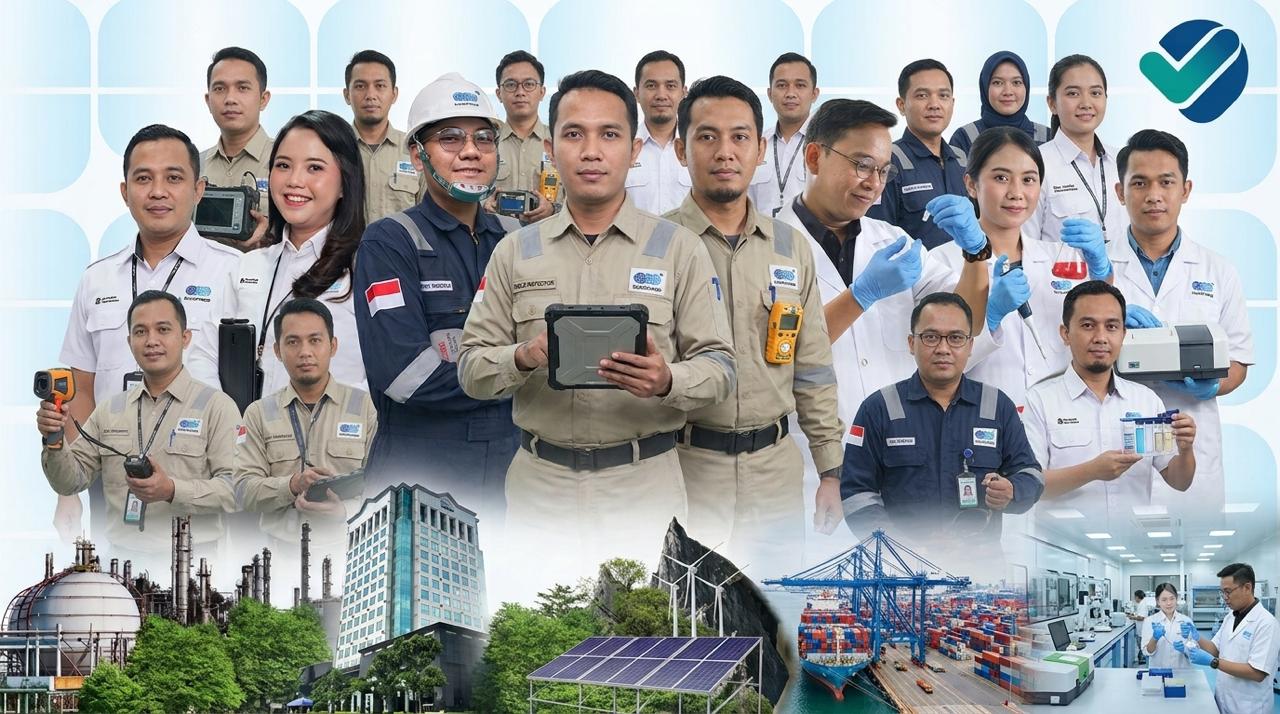
As part of its commitment to environmental sustainability, SUCOFINDO serves as a Validation and Verification Body (LVV) within the plastic credit mechanism.
Operating under the registry body PCX Solutions, SUCOFINDO provides:
🔍 validation of plastic credit programs
📊 verification of plastic waste management claims
📑 assessment of compliance with applicable standards
This role ensures that every claim within the plastic credit scheme is clear, measurable, and trustworthy.
From Commitment to Real Impact
Efforts to protect the environment require more than good intentions. They need systems that ensure every action delivers real and measurable impact.
Plastic credit serves as a bridge between corporate commitments and real-world environmental actions. However, without proper validation and verification, its impact cannot be objectively measured.
Through its role as an LVV, SUCOFINDO supports the development of a sustainability ecosystem that is more transparent, accountable, and impactful.