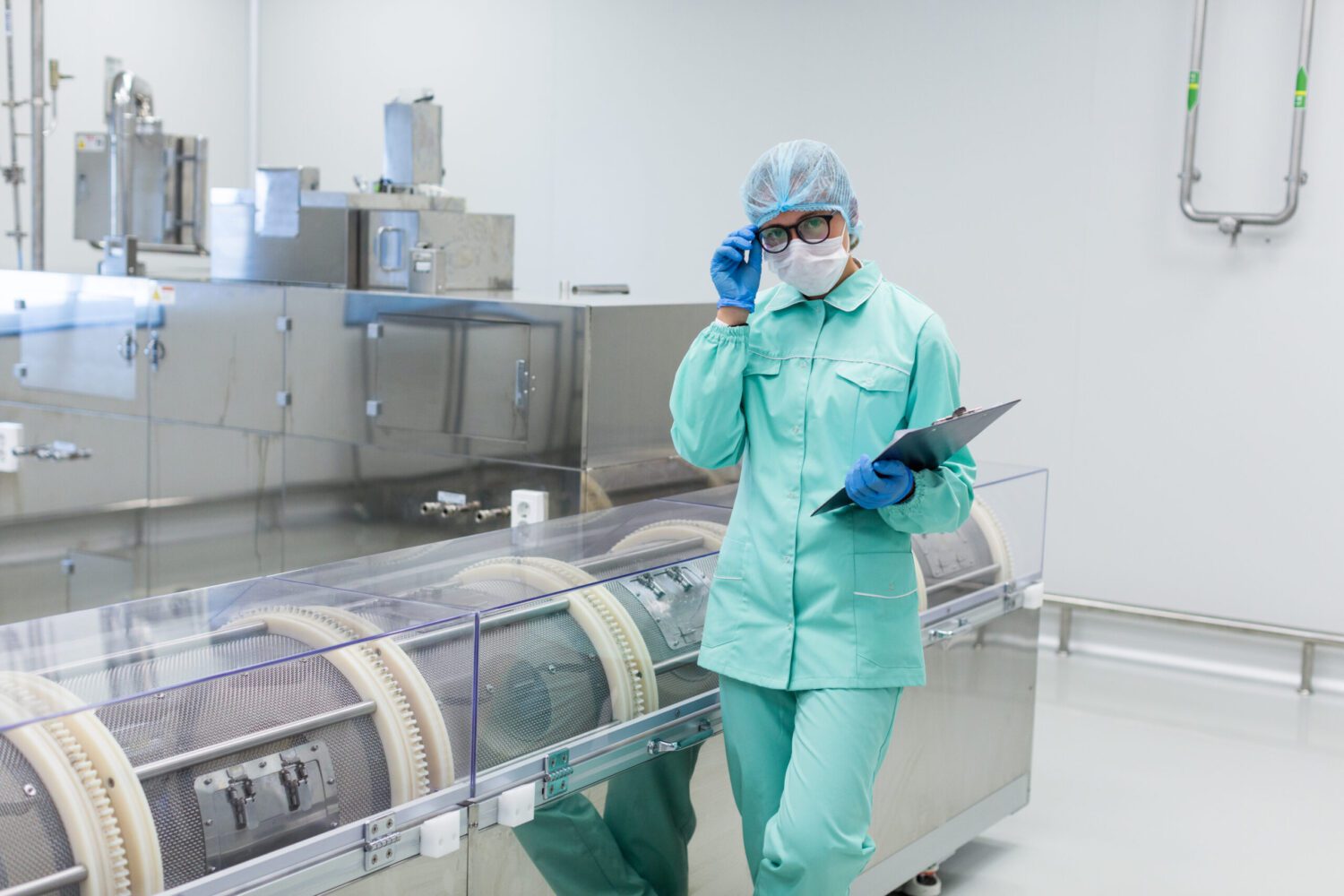
Every Nutritious Meal Requires a Reliable System
The Free Nutritious Meal Program (MBG) represents a strategic initiative to support the development of Indonesia’s future generations through improved nutrition and access to quality food.
Behind the millions of meal portions prepared and distributed every day lies a complex process that involves planning, raw material management, food preparation, storage, and distribution.
To ensure that the program delivers its intended benefits, every stage of the process must be supported by a system capable of maintaining food quality consistently.
Because in large-scale food programs, success is not measured solely by nutritional value. It is also determined by how effectively every process is managed to ensure quality and reliability.
Public Trust Begins with Consistent Quality
When communities receive meals through a large-scale food program, they expect more than simply nutritious food.
They expect consistency, quality, and reliability.
Maintaining these expectations requires a comprehensive approach that ensures food products are handled properly from the moment raw materials arrive until meals are delivered to recipients.
This is why food quality management has become an essential component of modern food service operations.
A well-managed system not only supports operational efficiency but also helps strengthen public confidence in the program.
Quality Must Be Maintained Throughout the Entire Process
Food quality is influenced by multiple stages throughout the supply chain.
Each stage contributes to the overall outcome received by consumers.
- Raw Material Reception
Quality begins with the selection and verification of raw materials that meet established specifications and requirements. - Storage Management
Proper storage conditions help maintain freshness, preserve nutritional value, and support product quality. - Food Preparation and Production
Standardized procedures, hygiene practices, and operational controls help ensure consistency throughout the production process. - Distribution
Appropriate handling and transportation practices help maintain food quality until products reach their intended recipients.
For this reason, food quality management should not focus solely on the final product but on the entire process that supports it.
Why Food Safety and Quality Systems Matter
Large-scale food service operations require systems that can support consistency and continuous improvement.
A structured food safety and quality management system helps organizations:
- Identify and manage potential risks proactively
- Maintain consistent product quality
- Support operational efficiency
- Improve traceability throughout the process
- Strengthen stakeholder and public confidence
- Meet applicable standards and regulatory requirements
With the right system in place, quality becomes part of daily operations rather than a result that is checked only at the end.
SUCOFINDO’s Role in Supporting Food Quality Programs
As a Testing, Inspection, Certification, and Consulting (TICC) company, SUCOFINDO supports organizations in implementing systems that help maintain food quality, operational consistency, and compliance with applicable standards.
The approach focuses not only on evaluating products but also on strengthening the systems that support quality management throughout the food production process.
SUCOFINDO Services Supporting Food Quality Assurance
- HACCP for Nutrition Service Units (SPPG)
Supporting organizations in identifying and managing critical control points throughout food production and distribution processes.
This preventive approach helps organizations maintain consistency and strengthen food safety management.
- Food Laboratory Testing
Conducting laboratory testing on raw materials and food products using various quality and safety parameters.
Testing may include:
- Microbiological analysis
- Nutritional content analysis
- Chemical parameter testing
- Other quality-related assessments as required
- Food Safety Management System Audits
Evaluating the implementation of food safety systems to ensure operational processes are aligned with established standards and best practices.
Audits help organizations identify opportunities for continuous improvement.
- Product Verification Services
Providing independent verification of products and processes to support transparency, credibility, and confidence among stakeholders.
Building Trust Through Measurable Systems
The Free Nutritious Meal Program reflects a shared commitment to building a healthier and more productive generation.
To ensure that these benefits can be delivered consistently, organizations need systems that support quality management at every stage of the food production and distribution process.
Through its Testing, Inspection, Certification, and Consulting (TICC) services, SUCOFINDO helps organizations implement measurable food quality and safety systems, enabling them to maintain high standards while strengthening public trust.
Because behind every nutritious meal, there is a system working to ensure that quality remains consistent.