A Large Kitchen for a Great Generation Cannot Operate Without a Strong System
The Free Nutritious Meal Program (MBG) represents a major initiative to support the development of Indonesia’s future generations through improved nutrition.
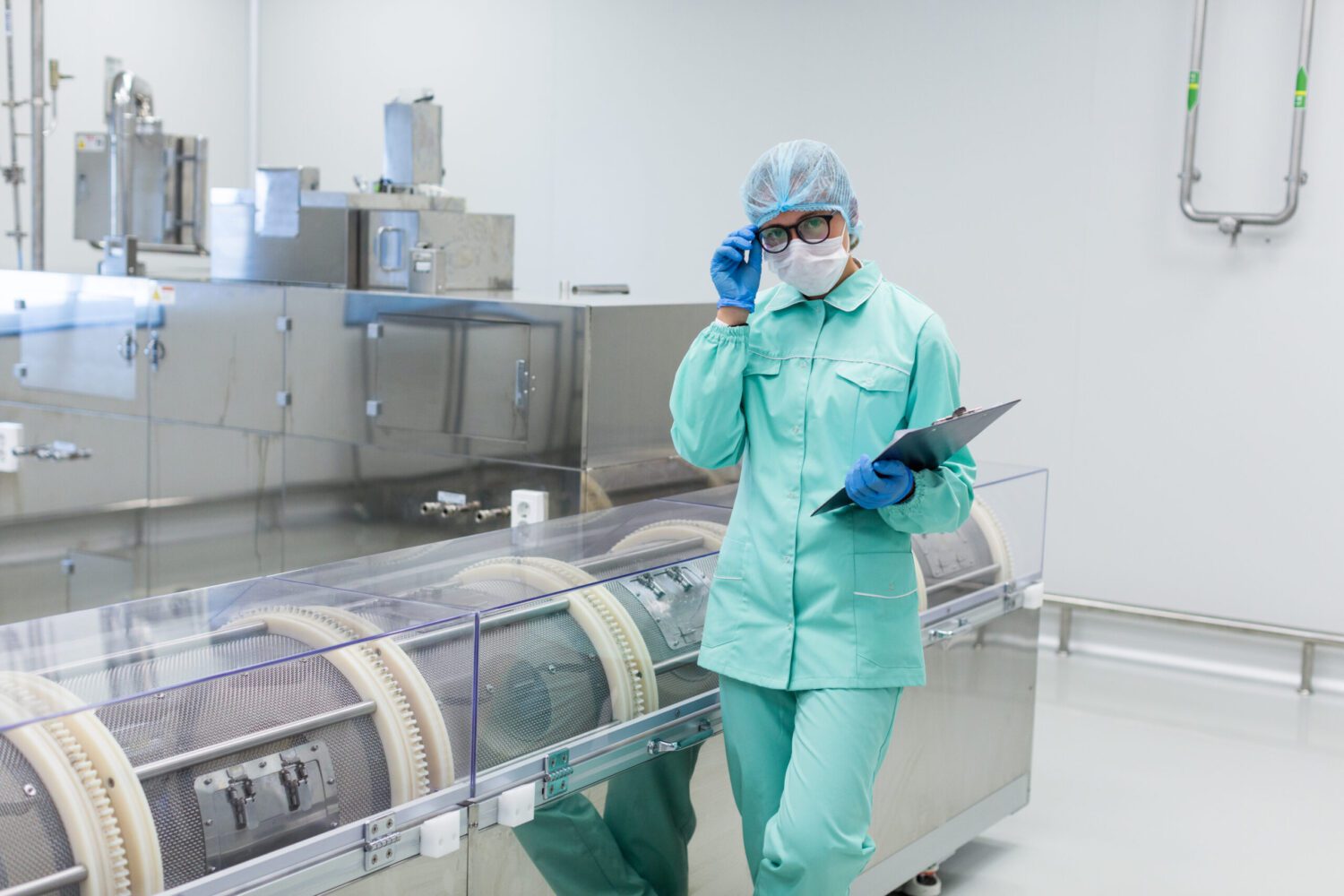
Every day, millions of meal portions are prepared and distributed to beneficiaries across different regions. Behind every meal served lies a process far more complex than simply cooking and delivering food.
From receiving raw materials and storage to food preparation, packaging, and distribution, every stage must be carefully controlled to ensure that the food remains safe, nutritious, and of high quality.
At this scale, success is not determined solely by production capacity. It also depends on the effectiveness of the food safety system that supports the entire operation.
Higher Production Volumes Bring Greater Challenges
The larger the production volume, the greater the risks that must be managed.
Improper storage of raw materials, inadequate sanitation practices, or uncontrolled distribution processes can all affect the quality and safety of food received by the public.
Common risks faced by large-scale food production facilities include:
- Cross-contamination between food ingredients
- Microbial growth caused by improper storage conditions
- Non-compliance with hygiene and sanitation procedures
- Errors during food handling and production processes
- Quality deterioration during distribution
If these risks are not anticipated and controlled from the beginning, they can compromise food safety and reduce public confidence in the program.
Food Safety Begins with the System, Not the Final Product
Many people evaluate food quality based solely on the finished product.
However, modern food safety management focuses primarily on the processes that occur before food reaches consumers.
This approach aims to identify potential hazards early and ensure that every stage of production complies with established standards.
For this reason, large-scale kitchen operations require systems capable of:
- Controlling food safety risks
- Maintaining consistent product quality
- Ensuring continuous implementation of hygiene and sanitation practices
- Providing traceability throughout the production process
- Supporting compliance with applicable regulations and standards
With the right system in place, food safety becomes the result of controlled and measurable processes rather than chance.
Why Do Nutrition Service Units (SPPG) Need Strong Food Safety Systems?
As a critical component of the Free Nutritious Meal Program, Nutrition Service Units (SPPG) carry significant responsibility in ensuring that the food they produce is safe for consumption.
Their daily operations involve receiving raw materials, processing food, storing products, and managing distribution activities.
Each of these stages presents potential risks that must be controlled through a structured food safety system.
This is why implementing recognized food safety standards is one of the most important foundations for ensuring the long-term success and sustainability of the program.
SUCOFINDO’s Role in Supporting Safe Food Operations
As a Testing, Inspection, Certification, and Consulting (TICC) company, SUCOFINDO supports organizations in implementing food safety systems that help manage risks and maintain operational quality consistently.
The approach goes beyond evaluating final products. It focuses on assessing and strengthening the systems that support food safety throughout the entire operation.
SUCOFINDO Services Supporting SPPG Operations
- HACCP Certification for SPPG
Helping organizations identify and control critical points that may affect food safety throughout the production process.
Through a preventive approach, potential hazards can be minimized before they impact the final product.
- GMP Assessment for Production Kitchens
Evaluating the implementation of Good Manufacturing Practices (GMP) to ensure that food production processes are hygienic, safe, and properly controlled.
The assessment covers facilities, equipment, personnel, sanitation practices, and operational procedures.
- Kitchen Hygiene and Sanitation Audits
Assessing hygiene and sanitation practices to ensure that the production environment supports food safety objectives.
These audits help identify opportunities for improvement and strengthen operational controls.
- Food Laboratory Testing
Conducting laboratory testing on raw materials and food products to verify compliance with food safety and quality requirements.
Testing may include microbiological, chemical, and other quality-related parameters relevant to food products.
Food Security Requires Systems That Can Be Trusted
Large-scale food programs are not only about providing food in significant quantities.
More importantly, they must ensure that every meal produced is safe, high-quality, and suitable for consumption.
For this reason, food safety must be built upon structured, documented, and consistently implemented systems.
In supporting national food security, food safety systems serve as a critical foundation for maintaining service quality while protecting public health.
Because ultimately, large-scale kitchens require large-scale systems.
And SUCOFINDO is here to help ensure those systems operate effectively and reliably.