When people hear the word biodiversity, many immediately think of tropical forests, endangered wildlife, or environmental activists protecting nature from destruction.
In reality, biodiversity is not only an issue that exists in conservation areas. It is also closely connected to industrial activities, business operations, and corporate supply chains.
The question today is no longer whether industry affects the environment, but how industry can become part of the solution.
Because protecting biodiversity is no longer just the responsibility of activists—it is also the responsibility of businesses.
Industry Is Often Seen as a Threat to Ecosystems
Industrial activities are often associated with land clearing, emissions, waste generation, and ecosystem changes that disrupt environmental balance.
From industrial estate development, mining operations, manufacturing processes, to large-scale business expansion—each activity carries potential risks to biodiversity sustainability.
As a result, many companies face challenges such as:
- Declining environmental quality around operational areas
- Disruption of natural habitats
- Social risks and conflicts with surrounding communities
- Pressure from regulators and investors regarding ESG issues
- Reputational damage caused by environmental concerns
This makes biodiversity no longer an optional issue, but a core part of long-term business sustainability.
Biodiversity and Business Can Grow Together
Protecting biodiversity does not mean stopping industrial activities.
What matters is how companies build systems that balance business operations with environmental protection.
This starts with one important thing: understanding the impact created.
Because companies cannot manage what they do not measure.
From Planning to Operations, Everything Must Be Measurable
Biodiversity protection must begin even before a business starts operating.
Through Environmental Impact Assessment (AMDAL) and UKL-UPL, companies can ensure that potential environmental impacts are analyzed from the earliest stage of business planning.
This helps prevent greater ecosystem damage in the future while ensuring compliance with environmental regulations.
Environmental Monitoring Is Not Just a Formality
Many companies still see environmental monitoring as merely an administrative requirement.
In fact, through Environmental Monitoring, companies can ensure that water quality, air quality, waste management, noise levels, and surrounding ecosystem conditions remain within safe standards.
This data becomes the foundation for responsible decision-making.
Because protecting biodiversity requires evidence, not assumptions.
ESG Has Made Biodiversity a Strategic Business Issue
Today, biodiversity is no longer only an environmental issue—it is also an investment issue.
Global investors are increasingly paying attention to how companies manage environmental impacts, including ecosystem protection and biodiversity preservation.
Within the framework of ESG (Environmental, Social, and Governance), biodiversity has become an important factor in evaluating corporate sustainability.
Through ESG Assessment & Advisory, companies can measure their readiness for these global expectations while building stronger sustainability strategies.
Because the future belongs to businesses that can grow without causing damage.
Environmental Audits Help Companies Stay on the Right Path
Commitment to biodiversity protection must be proven consistently.
Through Environmental Audits, companies can evaluate whether their environmental management systems are running effectively and in accordance with applicable standards.
Audits help identify potential risks early—before they become larger problems.
Because sustainability is not about one big project, but about consistency in every process.
SUCOFINDO’s Services to Support Industry and Biodiversity
Protecting biodiversity in the industrial world is not only about compliance, but about building systems that can balance business growth with long-term environmental protection.
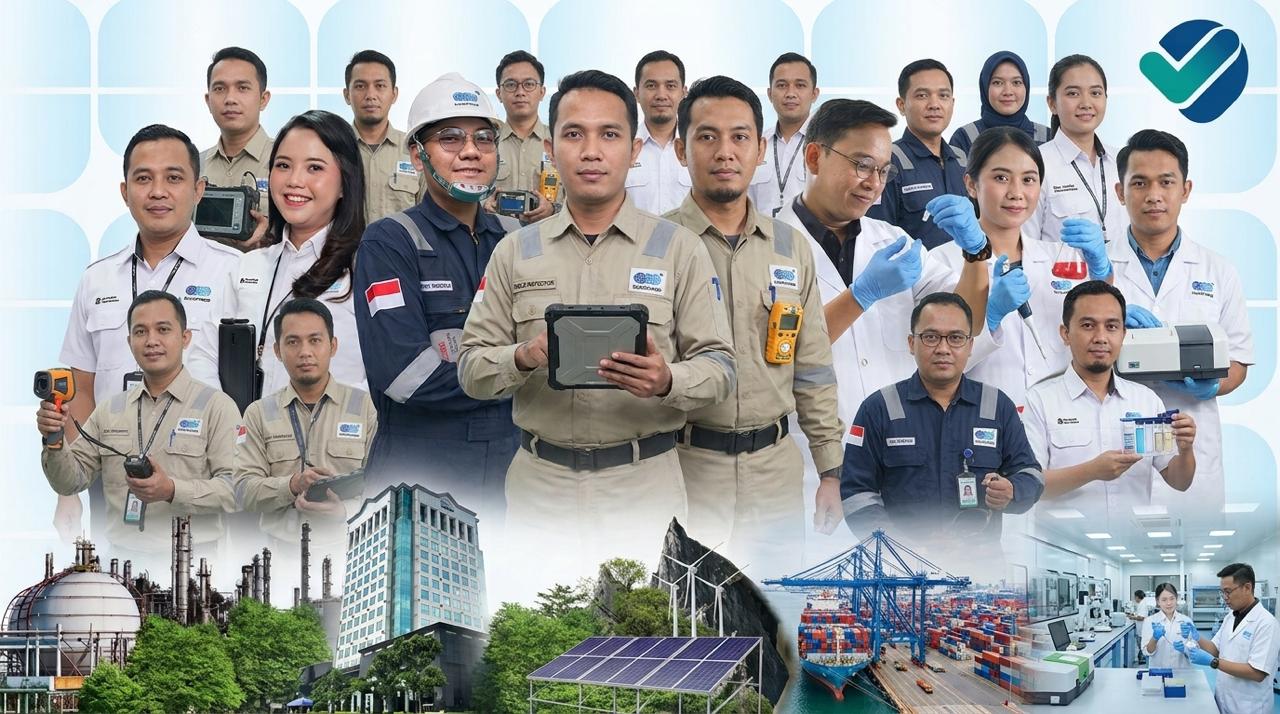
As a Testing, Inspection, Certification, and Consulting (TICC) company, SUCOFINDO provides integrated services that support businesses from the planning stage, operational implementation, to evaluation and sustainability improvement.
To make environmental management effective, the approach must start from upstream to downstream—not only when problems already occur.
Here is the service flow that supports biodiversity management and corporate sustainability:
1. Environmental Impact Assessment (AMDAL) & UKL-UPL
Ensuring Compliance from the Planning Stage
The first step in protecting biodiversity begins even before a business starts operating.
Through AMDAL and UKL-UPL, companies can ensure that potential impacts on ecosystems, natural habitats, water quality, air quality, and the social environment are analyzed from the earliest planning stage.
This service helps prevent larger environmental risks in the future while ensuring regulatory compliance from the beginning.
2. ISO 14001 Environmental Management System
Building a Structured System
After planning requirements are fulfilled, companies need a consistent environmental management system.
Through ISO 14001 implementation, companies can build structured, documented, and sustainable environmental management systems.
This ensures biodiversity management becomes part of operational culture—not just a temporary program.
3. Green Industry Certification
Running More Efficient Production
Sustainability must be reflected in daily production processes.
Through Green Industry Certification, companies are encouraged to improve efficiency in energy use, water consumption, raw materials, and other resources.
This not only reduces environmental impact, but also strengthens business competitiveness.
4. Waste Management & Waste to Energy
Turning Waste into Value
Waste is one of the biggest challenges in industrial operations.
SUCOFINDO helps companies develop more effective waste management systems—from waste reduction and reuse to converting waste into new energy sources through waste-to-energy approaches.
This proves that sustainability can also create business value.
5. Energy Transition Mechanism (ETM) / Renewable Energy
Supporting the Transition to Clean Energy
Future business requires lower-emission energy sources.
Through ETM and renewable energy services, SUCOFINDO helps companies accelerate clean energy adoption, improve energy efficiency, and transform operations into more environmentally friendly systems.
This is a crucial step toward achieving net zero emission targets.
6. Environmental Monitoring
Maintaining Environmental Quality Consistently
The environment cannot be protected without accurate data.
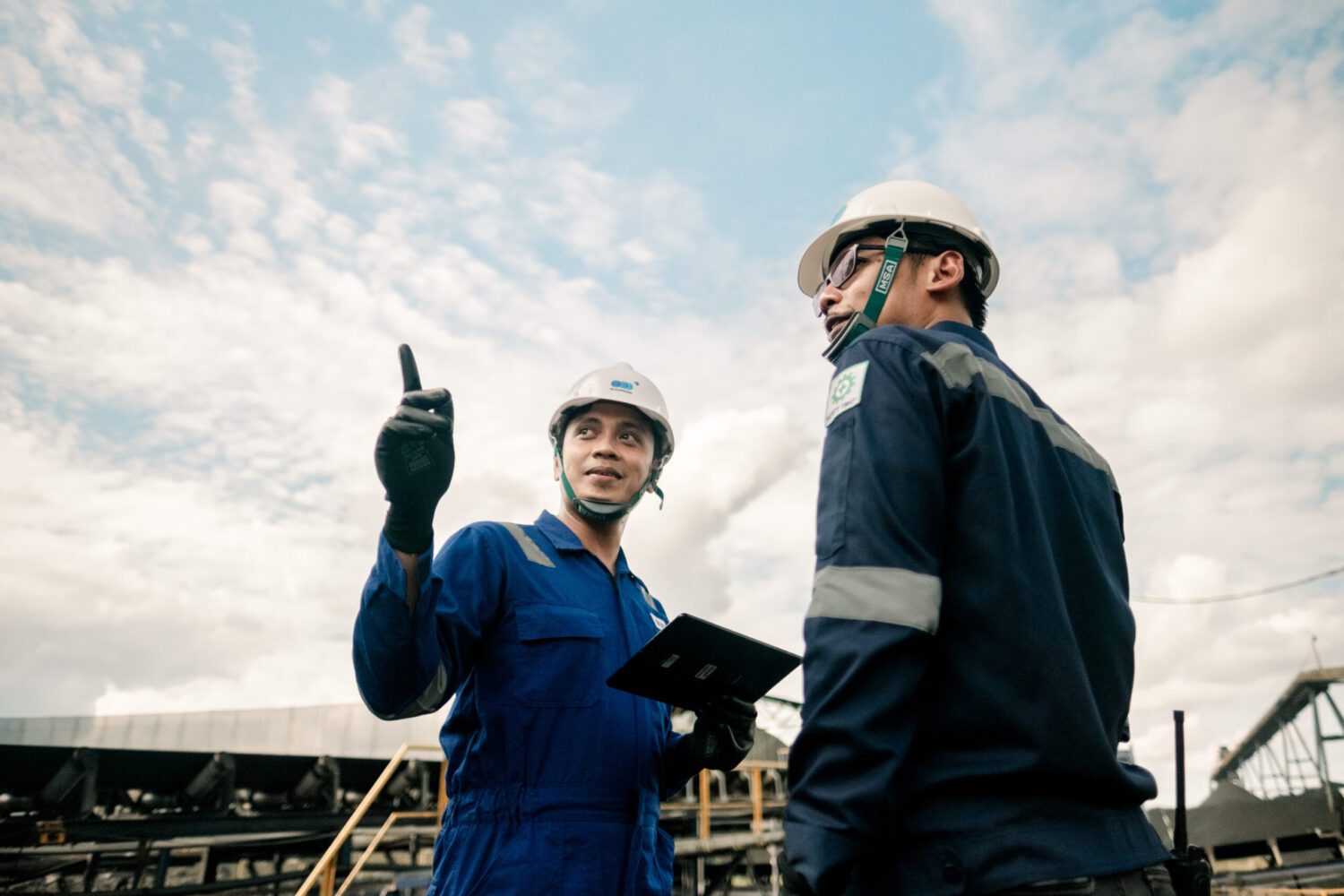
Environmental monitoring services include water quality, air quality, emissions, waste, noise, vibration, and surrounding environmental conditions around operational areas.
Consistent monitoring ensures companies remain within regulatory standards while protecting nearby ecosystems.
7. Greenhouse Gas (GHG) Verification
Measuring and Validating Emissions
Sustainability commitments must be supported by credible data.
GHG verification helps companies measure, report, and validate carbon emissions accurately and responsibly.
This becomes the foundation for emission reduction strategies and sustainability reporting.
8. Carbon Footprint Verification
Ensuring Carbon Footprints Are Properly Documented
Every business activity produces a carbon footprint.
Through carbon footprint verification, companies can understand the scale of emissions generated, ensure proper documentation, and create more measurable carbon reduction strategies.
9. Environmental Audit
Evaluating and Identifying Potential Risks
Environmental audits help companies assess whether all environmental management systems are running effectively.
Through audits, companies can identify potential risks early, evaluate compliance with regulations, and create more targeted improvement plans.
Because sustainability requires continuous evaluation.
10. ESG Assessment & Advisory
Meeting Investor and Regulatory Expectations
Today, sustainability is not only about the environment—it is also about business.
Through ESG Assessment & Advisory, SUCOFINDO helps companies measure readiness for Environmental, Social, and Governance (ESG) principles, identify gaps, and build stronger sustainability strategies.
Investors no longer look only at profit, but also at how profit is generated.
11. Sustainability Consulting
Building Long-Term Strategy
Not every company has a clear sustainability roadmap.
Through sustainability consulting, SUCOFINDO helps businesses create long-term sustainable business strategies aligned with industry needs, regulations, ESG targets, and global market expectations.
Because green leadership is not a short-term project—it is a strategic long-term decision.
Becoming Part of the Solution
Biodiversity is not just a conservation issue. It is the foundation of life, supply chains, and business sustainability itself.
Companies that can balance growth and environmental protection will become the new leaders of the future.
Because in the end, the best businesses are not only those that grow the fastest—but those that grow without leaving damage behind.
And SUCOFINDO is here to help industries become part of the solution.
Protecting biodiversity is not only the responsibility of activists. It is a shared responsibility for all of us.