As environmental issues continue to gain global attention, more companies want to be recognized as “green companies” or leaders in sustainability. Labels such as environmentally friendly, sustainable, and green leader have become important parts of corporate image.
But the real question is: is becoming a green leader simply about good communication?
The answer is clearly no.
Because green leadership is not about looking green—it is about how a company truly builds measurable, consistent, and verifiable systems to protect the environment.
At a time when the public, investors, and regulators are becoming increasingly critical, sustainability claims alone are no longer enough. What matters now is real action.
Going Green Cannot Rely on Campaigns Alone
Many companies have started using sustainability narratives in their business communication. From reducing plastic usage and tree-planting programs to energy-saving campaigns, environmental messaging is becoming more common.
However, without a clear environmental management system, all of these efforts risk becoming nothing more than image-building.
Greenwashing—or making environmental claims without real implementation—has become one of the biggest challenges in today’s business landscape.
Companies that truly want to become green leaders must be able to answer important questions such as:
- How is waste being managed?
- Have emissions been properly measured?
- How are water and air quality being monitored?
- Has production become more energy efficient?
- Has sustainability become part of business strategy?
Because in the end, green leadership is not a slogan—it is a system.
Green Leadership Starts with Structured Environmental Management
Companies that want to build true green leadership need a strong foundation. It is not enough to rely only on CSR programs or temporary campaigns.
A comprehensive approach is required, including:
Environmental Management System
Through the implementation of ISO 14001 Environmental Management System, companies can ensure that all environmental management processes are structured, documented, and continuously improved.
This is not only about compliance, but also about building a responsible operational culture.
Compliance from the Beginning
Through Environmental Impact Assessment (AMDAL) and UKL-UPL, companies can ensure that environmental aspects are considered from the earliest stage of business planning.
This is essential to prevent greater environmental risks in the future.
Consistent Environmental Monitoring
The environment cannot be protected without data.
Through Environmental Monitoring, companies can ensure that water quality, air quality, waste, and other environmental parameters remain within required standards.
Because the best decisions always start with accurate data.
More Efficient Production
Through Green Industry Certification, companies are encouraged to run production processes that are more efficient in the use of energy, water, and other resources.
Efficiency is not only good for the environment—it is also good for long-term business sustainability.
Sustainable Waste Management
Approaches such as Waste Management and Waste to Energy help companies manage waste more effectively, and even convert waste into valuable new energy sources.
This is a real example that sustainability can also create business value.
Sustainability Has Become the Language of Investors
Today, sustainability is no longer just an environmental issue—it is a business issue.
Global investors, international partners, and regulators are increasingly paying attention to how companies implement ESG (Environmental, Social, and Governance) principles.
Even biodiversity and environmental management have now become important indicators in investment decisions.
Through ESG Assessment and Advisory, companies can measure their sustainability position while also developing relevant improvement strategies.
Because investors are no longer looking only at profit, but also at how that profit is generated.
Measuring Emissions Is No Longer Optional
Commitments toward net zero emissions and energy transition require companies to take carbon management more seriously.
Services such as:
Greenhouse Gas (GHG) Verification
help companies measure, report, and validate carbon emissions in a credible and accountable way.
Carbon Footprint Verification
ensures that a company’s carbon footprint is measurable, documented, and properly verified.
Energy Transition Mechanism (ETM) / Renewable Energy
supports the acceleration of clean energy adoption and low-emission business transformation as part of long-term sustainability strategy.
Because the future of sustainability begins with the decisions made today.
SUCOFINDO’s Role in Building Real Green Leadership
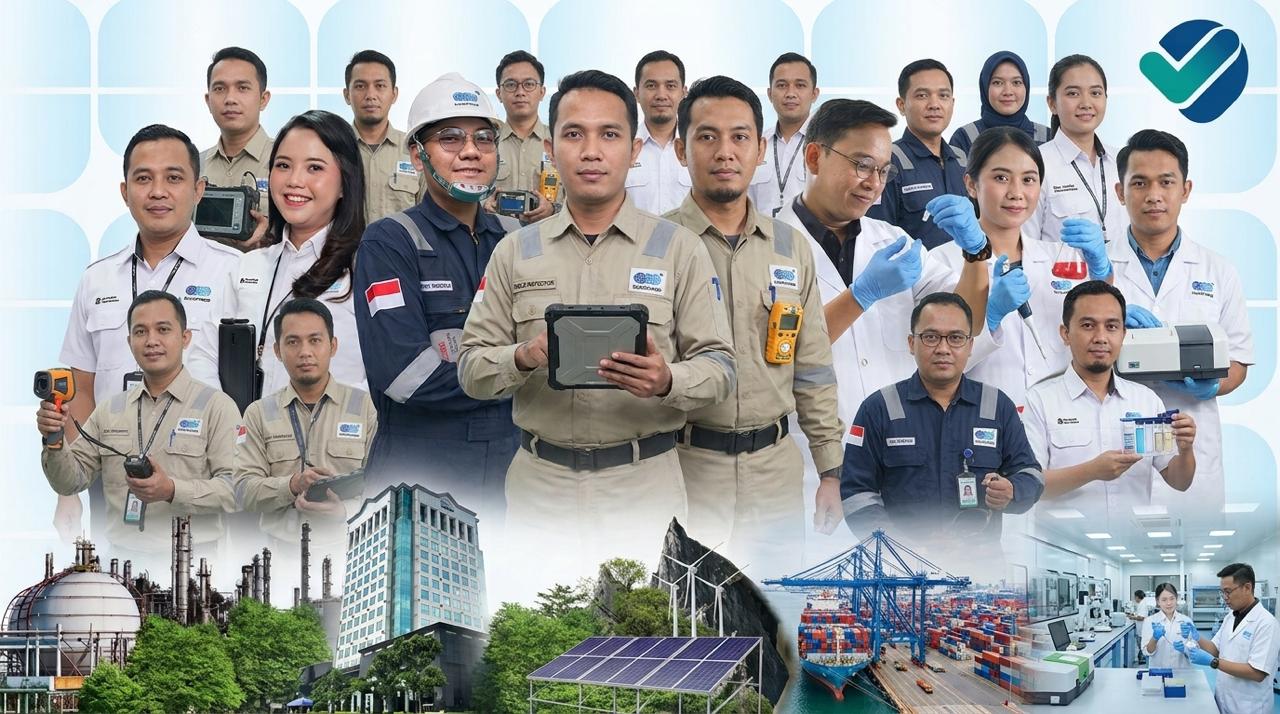
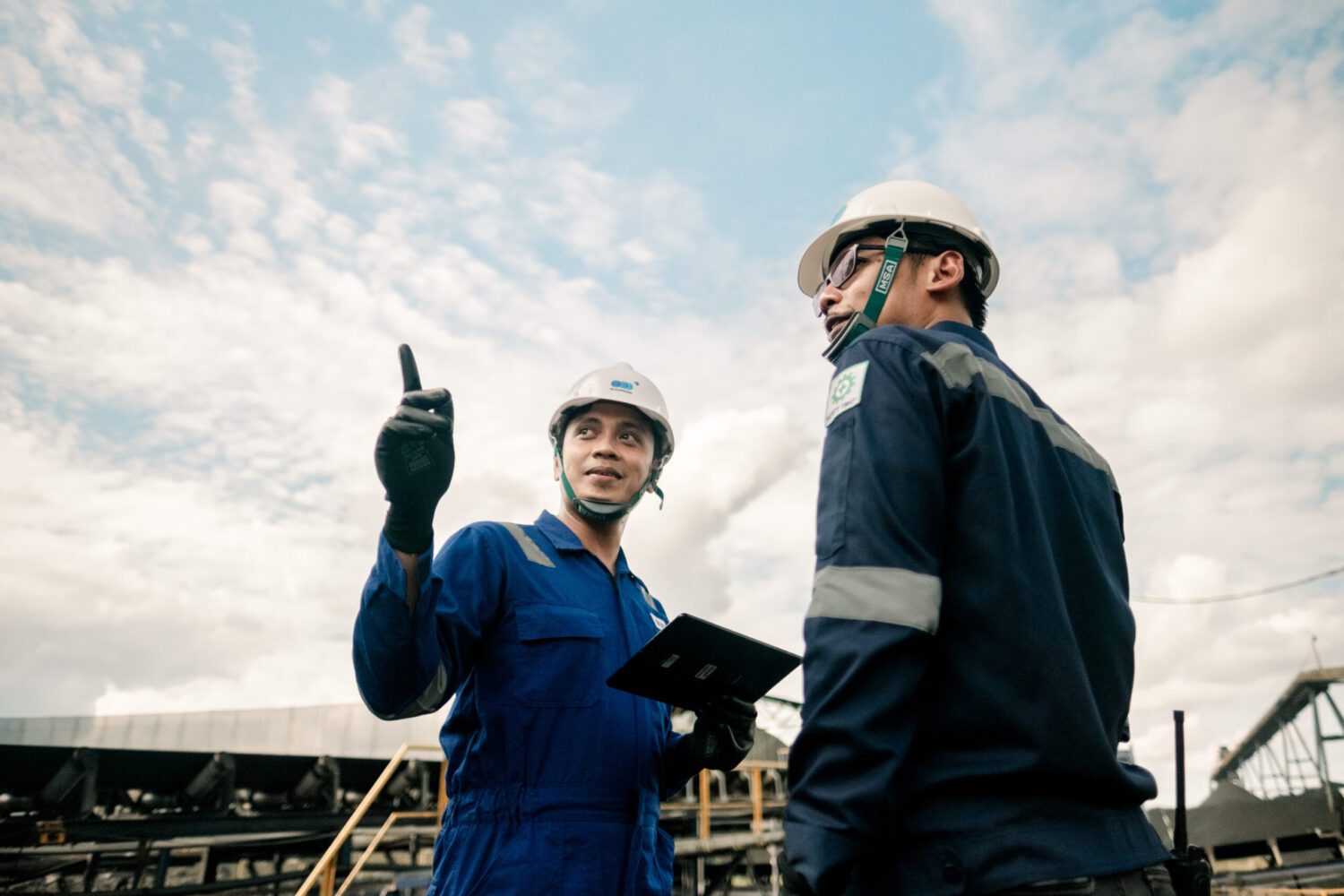
As a Testing, Inspection, Certification, and Consulting (TICC) company, SUCOFINDO serves as a strategic partner for businesses that want to build real and measurable green leadership.
Through services such as:
- ISO 14001 Environmental Management System
- Environmental Impact Assessment (AMDAL) and UKL-UPL
- Environmental Monitoring
- Green Industry Certification
- Waste Management and Waste to Energy
- ESG Assessment and Advisory
- Greenhouse Gas (GHG) Verification
- Carbon Footprint Verification
- Sustainability Consulting
- Energy Transition Mechanism (ETM) / Renewable Energy
SUCOFINDO helps companies not only comply with regulations, but also build credible, measurable, and sustainable environmental management systems.
Green leadership is not merely about image—it is a strategic decision that requires the right partner.
Becoming a Green Leader Is About Responsibility
On Biodiversity Day, we are reminded that protecting the environment is not only the responsibility of activists or regulators, but also the responsibility of the business world.
Companies that truly want to become green leaders must be ready to move beyond labels.
Because today, sustainability is no longer an additional option—it is part of the future of business itself.
And SUCOFINDO is here to help companies build green leadership that is real, measurable, and impactful.
Green leadership means action, not just a label.