Food Security Faces New Challenges
Food security is one of the fundamental pillars of sustainable development. Traditionally, discussions surrounding food security have focused on food availability and access. However, as climate change becomes increasingly evident, the challenges facing the food sector are becoming more complex.
Changing rainfall patterns, rising temperatures, droughts, floods, and extreme weather events not only affect agricultural productivity but can also impact the quality and safety of food products.
In this context, ensuring that available food remains safe, high-quality, and compliant with applicable standards is an essential component of building a resilient and sustainable food system.
The Impact of Climate Change on the Food Sector
Climate change affects every stage of the food supply chain, from production to distribution.
Some of the challenges increasingly faced by the food industry include:
- Reduced agricultural productivity due to extreme weather conditions
- Increased risks of pests and plant diseases
- Variations in crop quality and yield
- Disruptions in storage and distribution processes
- Higher risks of food contamination
These challenges highlight that food security depends not only on production volumes but also on the ability to maintain product quality and safety throughout the supply chain.
Why Food Quality Is Becoming Increasingly Important
In the face of these challenges, food quality has become a critical consideration.
High-quality food products help ensure that consumers receive products that are safe for consumption, nutritionally valuable, and compliant with regulatory requirements.
For businesses, maintaining product quality offers several benefits, including:
- Strengthening consumer confidence
- Meeting domestic and international market requirements
- Reducing losses associated with non-compliant products
- Supporting long-term business sustainability
As a result, consistent quality control has become an essential requirement in modern food supply chains.
Food Safety Must Remain a Priority
Beyond quality, food safety is becoming an even greater priority in an era of climate change.
Environmental changes can increase the likelihood of biological, chemical, and physical contaminants affecting food products.
Potential risks include:
- Microbiological contamination
- Pesticide residues
- Heavy metal contamination
- Contamination during storage and transportation
- Inadequate food processing controls
Implementing effective food safety systems is therefore essential to protecting consumers while safeguarding business reputation.
The Importance of Testing and Food Safety Management Systems
Maintaining food quality and safety requires an integrated approach that combines testing, inspection, and food safety management systems.
Laboratory testing helps identify quality parameters and potential contaminants in food products. Meanwhile, food safety management systems enable organizations to systematically identify, assess, and control risks throughout their operations.
Such approaches are becoming increasingly important as the food industry adapts to the challenges posed by climate change.
SUCOFINDO’s Role in Supporting Food Security
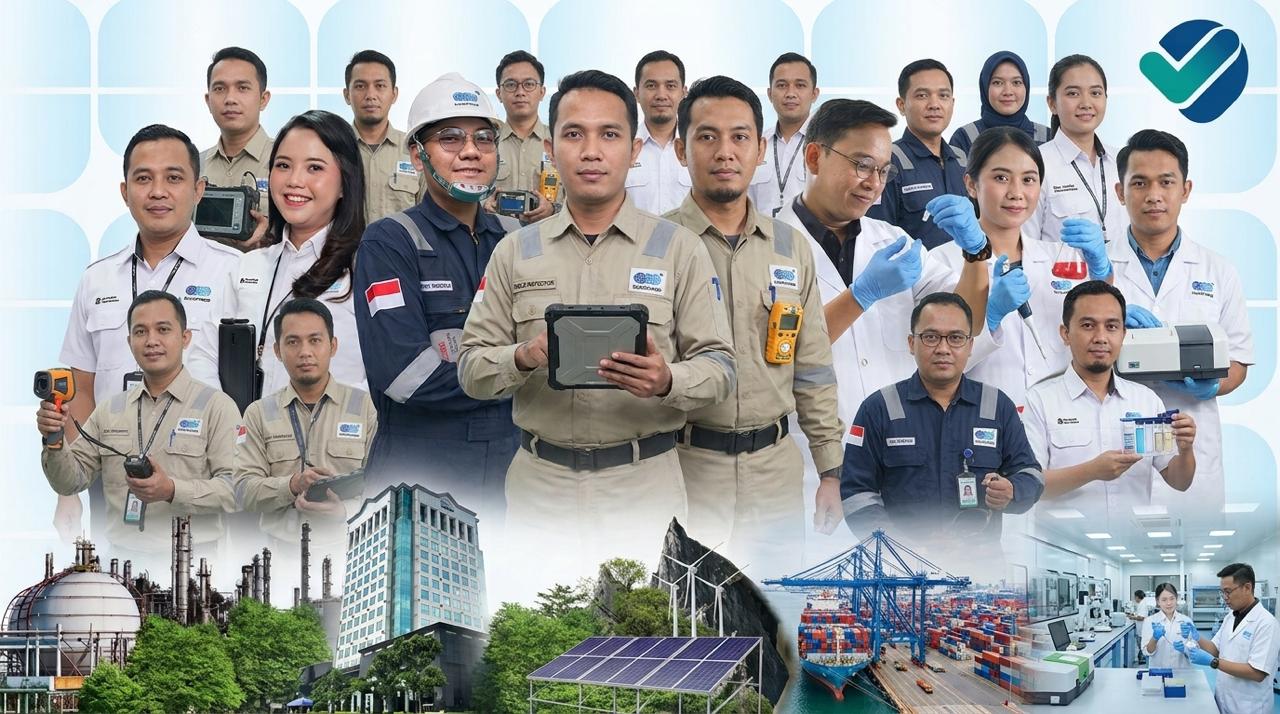
As a Testing, Inspection, Certification, and Verification (TIC) company, PT SUCOFINDO (PERSERO) provides a range of services that support quality, safety, and sustainability within the food sector.
These services include:
- Food Laboratory Testing
Testing physical, chemical, and microbiological parameters to ensure food quality and safety. - Pesticide Residue and Contaminant Testing
Detecting residues and contaminants that may affect food safety and compliance. - ISO 22000 Food Safety Management System Certification
Supporting the implementation of integrated, risk-based food safety management systems. - HACCP (Hazard Analysis and Critical Control Points)
Helping organizations identify and control food safety hazards throughout production processes. - Good Manufacturing Practices (GMP)
Supporting the implementation of best practices to maintain consistent product quality and safety. - Food Product Inspection and Verification
Ensuring compliance with applicable standards, specifications, and regulatory requirements.
Through these services, businesses can strengthen quality assurance systems, improve food safety performance, and enhance competitiveness in both domestic and international markets.
Food Security Requires Quality and Safety Assurance
In the era of climate change, food security is no longer solely about producing enough food to meet demand. Ensuring food quality and safety has become equally important to guarantee that consumers have access to safe and reliable food products.
Through effective testing, inspection, certification, and verification, businesses can address climate-related challenges while maintaining consumer trust and supporting long-term sustainability.
Ultimately, a resilient food system is built not only on sufficient production but also on a shared commitment to maintaining food quality and safety at every stage of the supply chain.