High Production Means Little If Distribution Fails
When discussing food security, many people immediately think about food production. The more food a country produces, the stronger its food security appears to be.
In reality, however, production is only one part of a much longer journey.
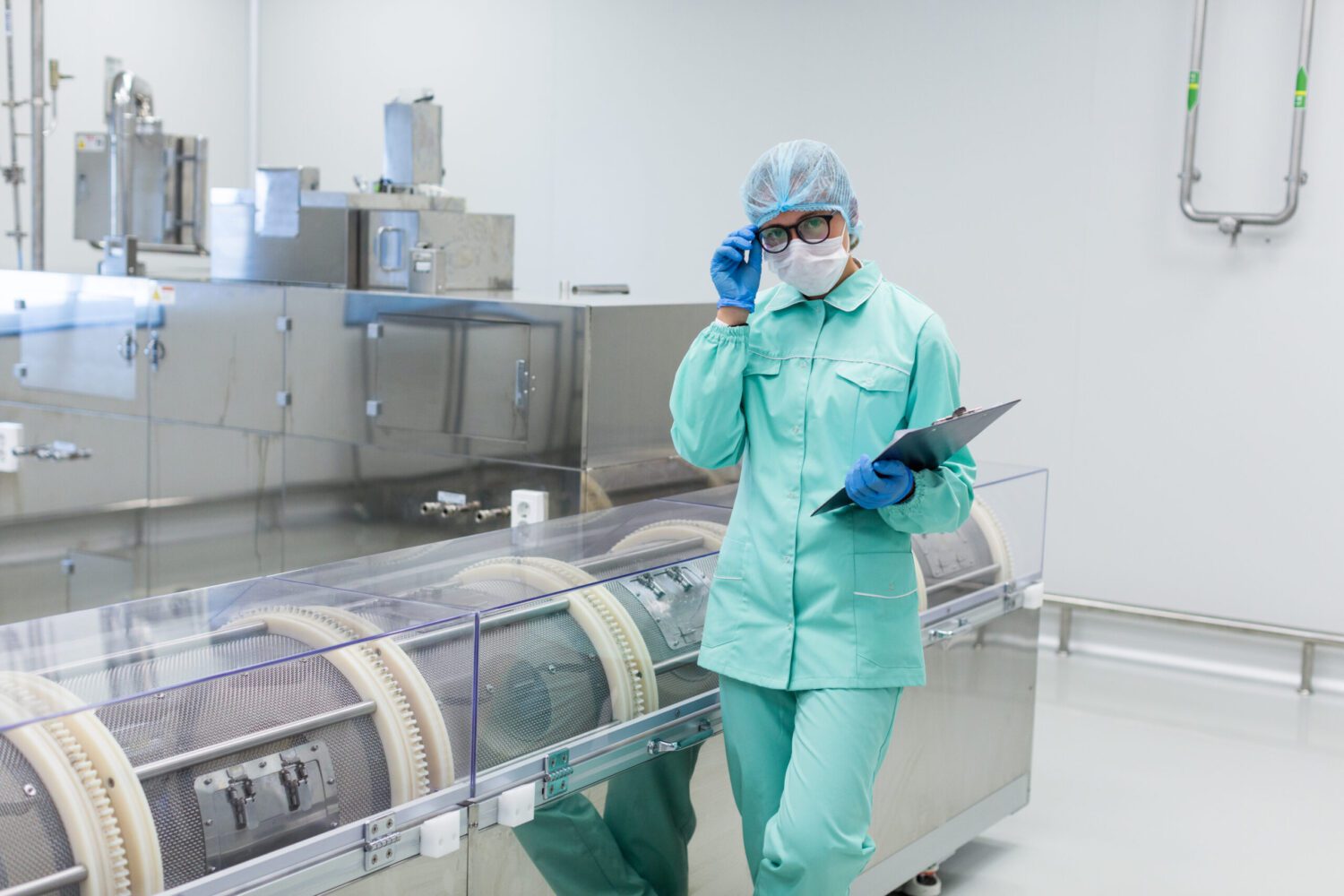
After food is harvested, processed, or manufactured, it still needs to pass through multiple stages before reaching consumers. Storage, packaging, transportation, and distribution all play critical roles in maintaining product quality.
For this reason, food security is not determined solely by the ability to produce food in large quantities. It also depends on the ability to preserve quality throughout the entire supply chain.
Food Quality Can Change Throughout the Journey
Food products are highly sensitive to environmental conditions.
Temperature fluctuations, humidity levels, storage duration, and distribution methods can all affect the quality of products received by consumers.
In practice, several challenges may arise throughout the supply chain, including:
- Improper storage temperatures
- Inadequate product handling
- Packaging damage during transportation
- Delivery delays
- Limited oversight of logistics processes
Even when food products are manufactured according to high standards, their quality can decline if distribution activities are not properly managed.
Food Security Requires a Reliable Supply Chain
In modern food systems, quality must be maintained continuously from source to consumer.
This has become increasingly important as food distribution grows in scale to support industries, commercial markets, and national strategic programs.
An effective supply chain helps ensure that:
- Products remain in appropriate condition throughout transportation
- Risks of damage and quality deterioration are minimized
- Products arrive at their destination according to required specifications
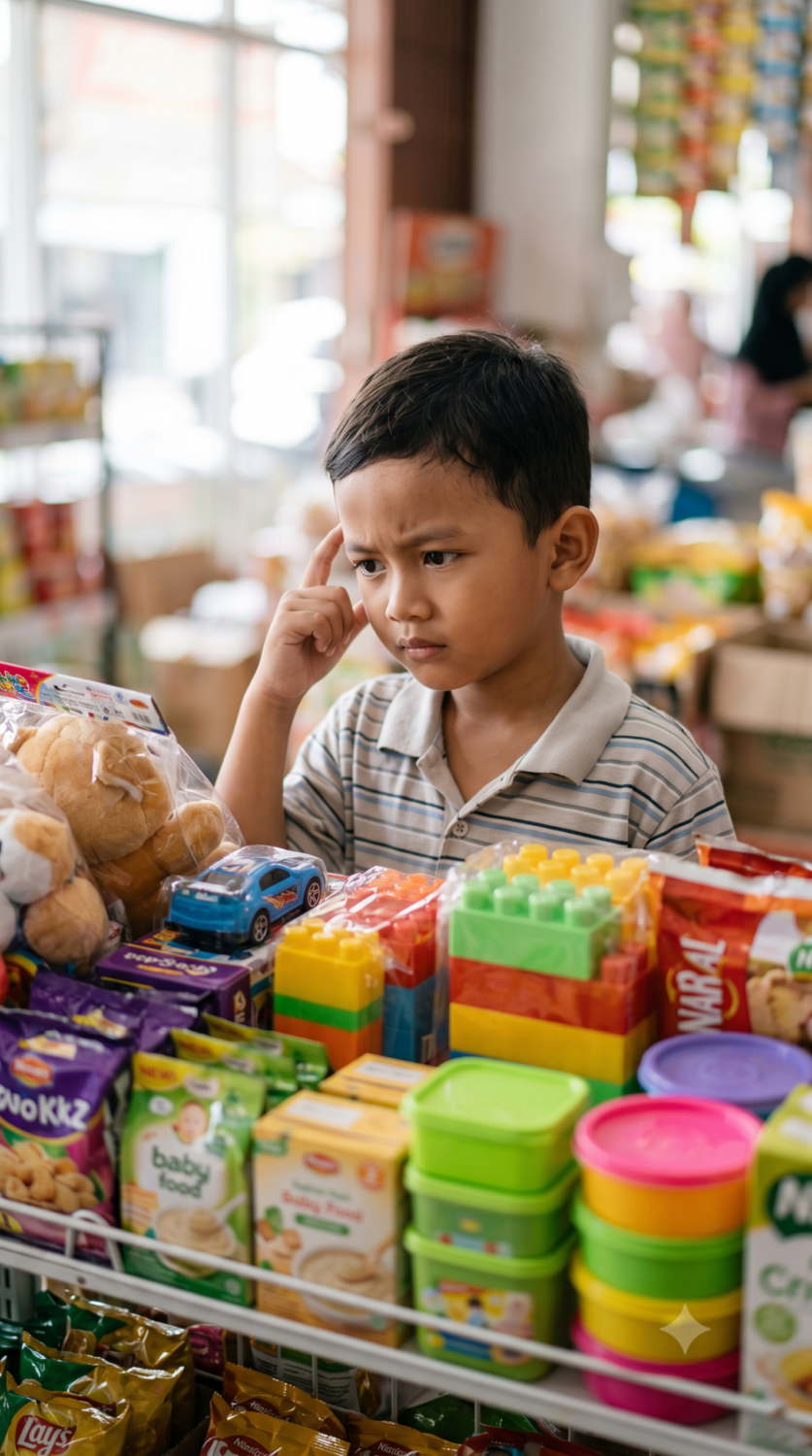
- Consumers receive products with consistent quality
In other words, food security is not only about food availability—it is also about ensuring that food quality is preserved until the point of consumption.
Why Distribution Monitoring Matters
Every stage of the food supply chain requires proper control and verification.
Without adequate monitoring, organizations may struggle to determine whether products remain in acceptable condition when they arrive at their final destination.
As a result, many industries are implementing supply chain assurance approaches to improve transparency and control throughout distribution processes.
This approach helps ensure that the quality achieved during production is maintained until products reach customers.
SUCOFINDO’s Role in Supporting Food Security
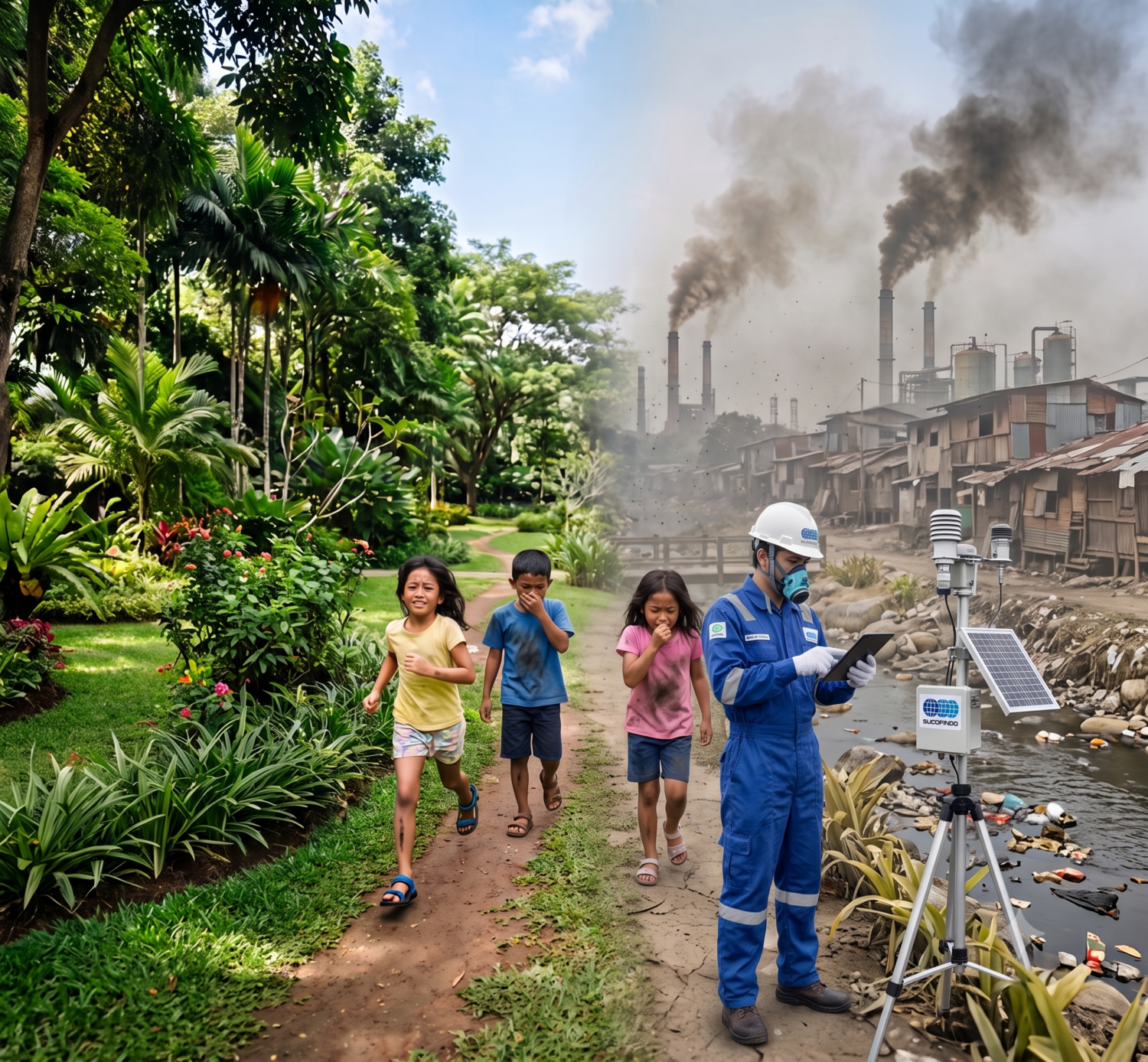
As a Testing, Inspection, Certification, and Consulting (TICC) company, SUCOFINDO supports businesses in maintaining food quality through verification, inspection, and quality assurance services across the supply chain.
This approach helps ensure that quality is preserved not only during production but also throughout storage, transportation, and distribution activities.
SUCOFINDO Services Supporting Food Supply Chains
- Supply Chain Assurance Services
Helping organizations strengthen oversight and control throughout their supply chains to maintain consistent product quality. These services support transparency, traceability, and operational effectiveness across distribution networks. - Cold Chain Verification
Verifying cold chain systems to ensure that storage and transportation temperatures remain within required specifications.
This service is particularly important for food products that are sensitive to temperature changes. - Inspection Services
Conducting inspections of products, facilities, distribution processes, and logistics operations to verify compliance with applicable standards and requirements. - Quality Assurance for Food Distribution
Supporting organizations in ensuring that distribution processes are implemented properly and capable of maintaining product quality until final delivery.
Preserving Quality Until It Reaches Consumers
Strong food security is not built solely on farms, production facilities, or food preparation centers.
It is also built in warehouses, transportation vehicles, ports, logistics hubs, and every point that forms part of a product’s journey.
Ultimately, food quality is determined not only by how products are made but also by how they are protected throughout the supply chain.
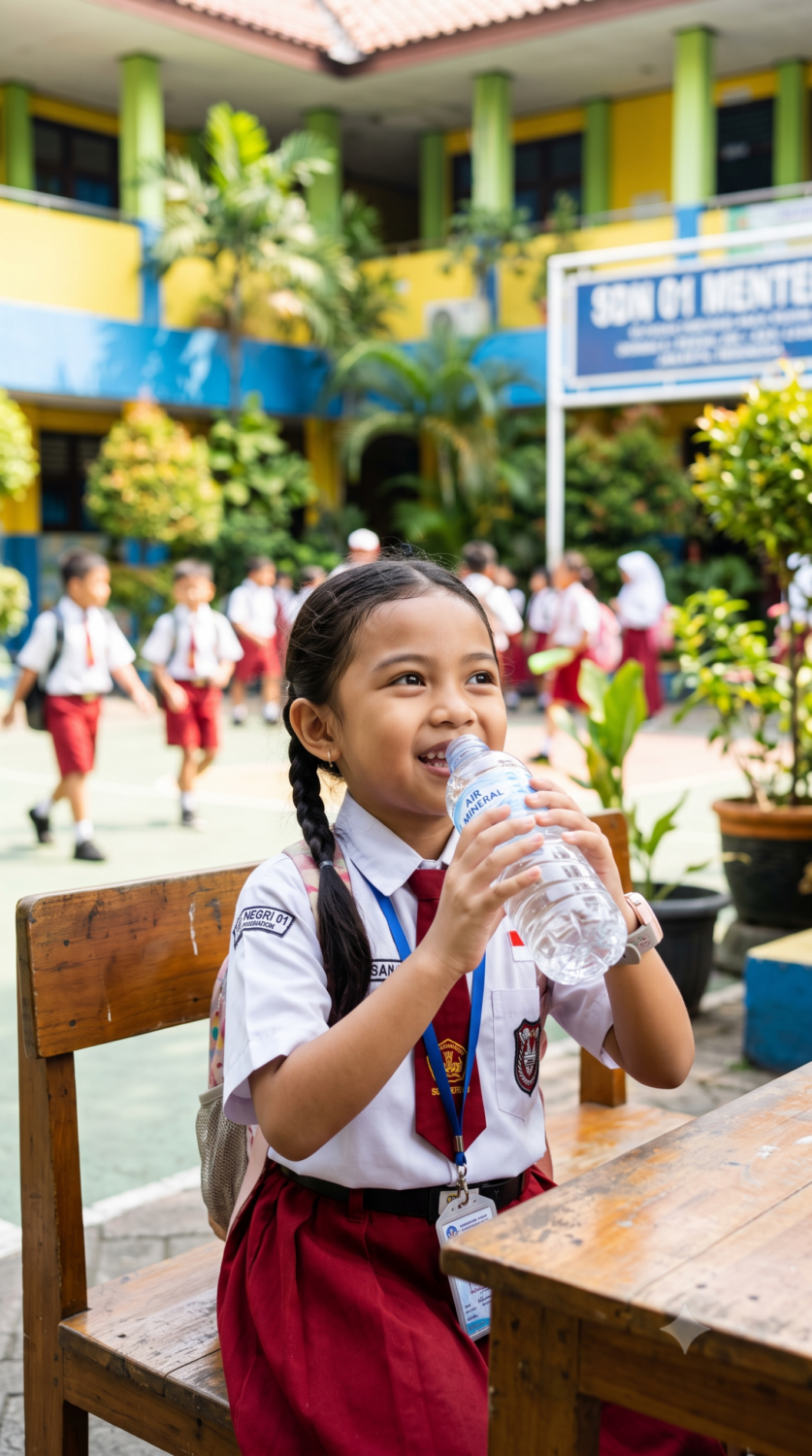
Through its Testing, Inspection, Certification, and Consulting (TICC) services, SUCOFINDO supports industries in maintaining food quality from source to consumer, helping ensure that products delivered to the public continue to meet expected standards.