Drinking water is a basic necessity consumed daily to maintain bodily functions and overall health. However, water that appears clear, colorless, and odorless is not always safe. Many contaminants such as bacteria, heavy metals, and harmful chemicals cannot be detected with the naked eye.
That is why drinking water quality testing is essential to ensure that the water consumed is truly safe and meets established standards.
What Is Safe Drinking Water?
Safe drinking water is water that meets quality standards and does not pose health risks. It must:
- Be free from harmful microorganisms
- Contain no toxic chemicals at dangerous levels
- Have acceptable physical characteristics
Sources of drinking water may include groundwater, surface water, or treated water. Regardless of the source, safety can only be confirmed through proper testing.
Why Is Drinking Water Testing Important?
Water quality cannot be judged by appearance alone. Testing is necessary to:
- Identify invisible contaminants
- Ensure compliance with quality standards
- Provide a basis for decision-making
- Prevent health risks at an early stage
Through testing, potential hazards can be detected before they cause broader impacts.
Parameters Tested
Drinking water testing includes the following key parameters:
- Microbiological: Total Coliform, Escherichia coli
- Chemical: pH, heavy metals (Pb, Hg), nitrate, nitrite
- Physical: color, odor, turbidity
These parameters serve as primary indicators in determining whether water is safe for consumption.
Scope of Drinking Water Testing
Testing is conducted based on environmental health quality standards and a risk-based approach, including:
- Mandatory parameters: microbiological, basic chemical, and physical
- Specific parameters: heavy metals, pesticides, and specific chemical compounds
- Regional characteristics:
- Agriculture/plantation → fertilizer and pesticide residues
- Industrial areas → chemicals and heavy metals
- Mining and energy sectors → hydrocarbons and specific minerals
This approach ensures that testing is relevant and comprehensive according to potential risks.
Risks of Untested Water
Water that does not meet standards may cause:
- Digestive disorders
- Microbial infections
- Long-term exposure to harmful substances
Therefore, testing is a crucial preventive step.
The Role of SUCOFINDO
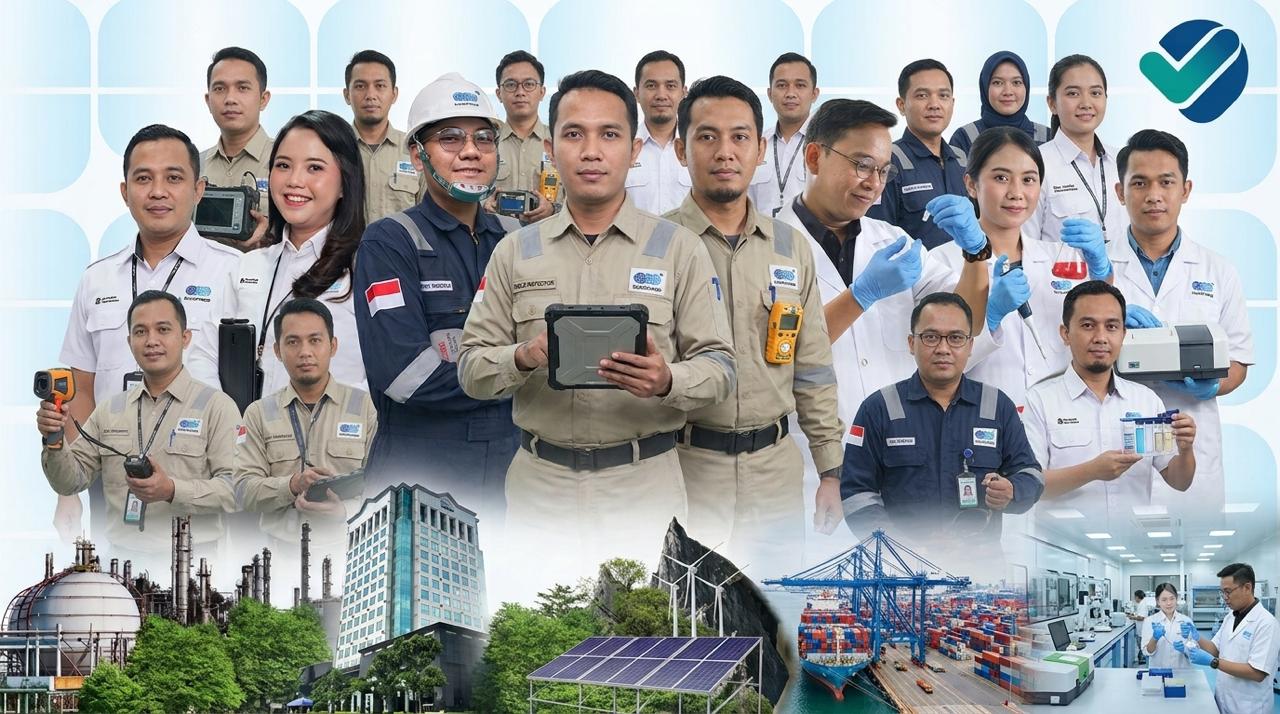
As a Testing, Inspection, and Certification (TIC) company, SUCOFINDO provides comprehensive drinking water testing services, from sampling and accredited laboratory analysis to reporting.
These services help ensure that water quality meets standards and supports accurate regulatory compliance.
Safe drinking water is not defined by clarity alone—it must be tested. Through proper testing, water quality can be verified, ensuring health protection.
Safe water is not just a necessity, but the foundation of a healthy and sustainable life.