Consumers Are Paying More Attention to Food Origins
When purchasing rice, meat, milk, or processed foods, consumers today are no longer focused solely on price and taste. Increasingly, they want to know where products come from, how they are produced, and whether they are safe for consumption.
This shift in consumer behavior is driven by growing awareness of food safety, health, sustainability, and halal compliance. As food supply chains become more complex, the ability to track a product’s journey has become a critical factor in building consumer trust.
This capability is known as traceability.
What Is Traceability in the Food Industry?
Traceability refers to the ability to track the history, location, movement, and processing of a food product throughout the supply chain, from raw materials to the end consumer.
A traceability system enables businesses to identify:
- The origin of raw materials
- Production locations and methods
- Processing activities performed
- Distribution channels
- Storage and transportation information
- Stakeholders involved throughout the supply chain
Through proper traceability, every stage of the product journey can be documented and verified, making food-related information more transparent and accountable.
Why Is Traceability Becoming Increasingly Important?
1. Ensuring Food Safety
When contamination, quality issues, or food safety incidents occur, companies can quickly identify the source of the problem and implement corrective actions.
Without an effective traceability system, investigations may take longer and increase the risk of broader impacts on consumers.
2. Supporting Regulatory Compliance
National and international regulations increasingly require robust documentation and supply chain control systems.
The ability to trace products has become a key component of modern food safety management practices.
3. Building Consumer Confidence
Consumers tend to trust products with clear and transparent origin information.
For producers, traceability serves not only as a quality control tool but also as a means to strengthen reputation and customer loyalty.
4. Facilitating Food Exports
Many export markets require evidence of product origin, production processes, and supply chain documentation.
An effective traceability system helps businesses comply with international requirements while enhancing the competitiveness of Indonesian food products in global markets.
Challenges in Implementing Effective Traceability
Despite its benefits, implementing traceability systems can present several challenges, including:
- Fragmented documentation systems
- Multiple stakeholders involved in the supply chain
- Limited record-keeping capabilities
- Inconsistent application of food safety standards
- Insufficient data verification processes
As a result, businesses need support from management systems, inspections, testing, and verification services to ensure that supply chain information remains accurate, reliable, and trustworthy.
SUCOFINDO’s Role in Supporting Traceability and Food Safety
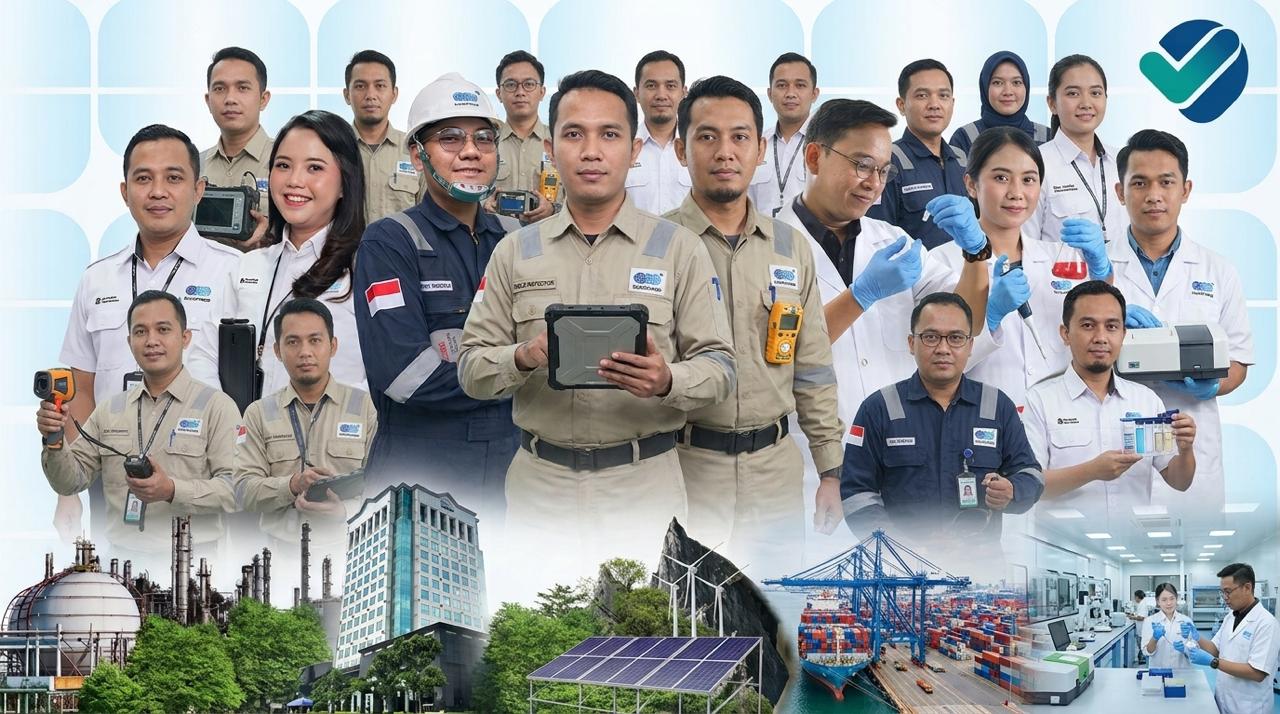
As a Testing, Inspection, Certification, and Verification (TIC) company, PT SUCOFINDO (PERSERO) provides various services that help businesses establish stronger and more reliable traceability systems, including:
- Supply Chain Audits
Assess operational processes and quality control measures throughout the supply chain to ensure effective product traceability. - ISO 22000 Food Safety Management System Certification
Support the implementation of integrated food safety management systems, including risk management and process control across production and distribution activities. - Food Product Inspection
Verify that food products meet applicable specifications, quality standards, and regulatory requirements before reaching consumers. - Product Verification
Provide independent assurance regarding the accuracy of product information, specifications, and claims. - Halal Certification
Assist businesses in ensuring compliance with halal requirements, including traceability of raw materials, production processes, storage, and distribution. - Food Laboratory Testing
Support quality and safety verification through physical, chemical, and microbiological testing in accordance with relevant standards.
Through these services, businesses can enhance supply chain transparency, strengthen consumer trust, and support compliance with food safety requirements and applicable regulations.
Traceability: The Foundation of Trust
In an era where consumers are becoming increasingly selective about the products they consume, traceability is no longer just an administrative requirement—it is a critical component of business strategy and risk management.
The ability to trace a product’s journey from farm to table helps ensure food safety, improve transparency, and strengthen consumer confidence. Supported by SUCOFINDO’s reliable testing, inspection, certification, and verification services, businesses can build food supply chains that are safer, more trustworthy, and more sustainable.