Every Eid al-Adha, millions of sacrificial animals are distributed across regions. Meat is shared, togetherness is strengthened, and the spirit of social care becomes more visible.
However, behind this meaningful moment, there is one aspect that often goes unnoticed: qurban activities are closely connected to the environment and biodiversity.
From livestock farming, animal distribution, slaughtering processes, to post-slaughter waste management—all of these are part of an interconnected ecosystem.
This means that Eid al-Adha is not only about giving, but also about how we maintain that balance.
Qurban Activities and Their Environmental Impact
On a small scale, the impact may not be immediately visible.
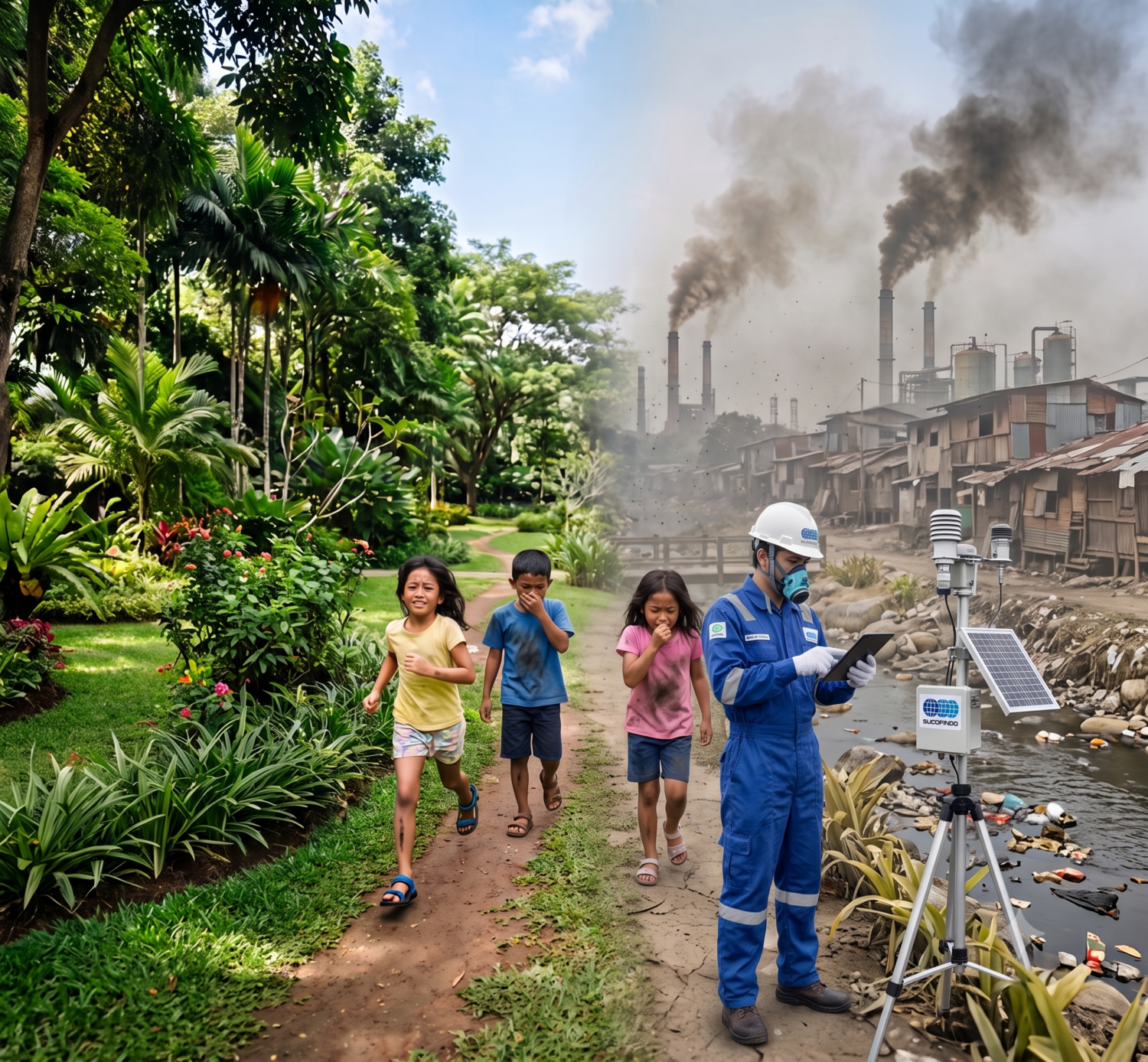
But on a larger scale—especially in urban or industrial areas—Eid al-Adha activities can create environmental challenges such as:
- Organic waste from slaughtering processes
- Water pollution caused by blood and organic residues
- Declining environmental sanitation quality
- Disturbance to surrounding ecosystems
- Inefficient waste management practices
If not properly managed, these impacts can affect environmental quality and disrupt local biodiversity balance.
Biodiversity Is Closer Than We Think
Biodiversity is often perceived as something distant—forests, wildlife, or conservation areas.
In reality, biodiversity exists all around us:
in soil, water, air, and the environments where human activities take place.
Water pollution, contaminated soil, and disrupted micro-ecosystems are all part of biodiversity impacts.
And human activities—including qurban—are part of this system.
Focusing on the Process, Not Just the Outcome
Eid al-Adha teaches responsibility.
Today, that responsibility also means ensuring that the processes we carry out do not harm the environment.
This includes:
- Selecting appropriate slaughtering locations
- Ensuring hygienic and controlled processes
- Managing waste responsibly
- Distributing meat safely and according to standards
All of these efforts contribute to maintaining environmental quality while protecting biodiversity.
Because sustainability begins with proper systems—not just good intentions.
From Activities to Systems: The Role of Biodiversity Action Plan (BAP)
At the corporate or industrial level, biodiversity management cannot rely on sporadic actions.
It requires a structured, measurable, and sustainable approach.
This is where the Biodiversity Action Plan (BAP) becomes essential.
BAP is a strategic document that includes:
- Identification of species, habitats, and key ecosystems
- Impact analysis of business activities on biodiversity
- Protection, mitigation, and restoration strategies
- Integration of conservation aspects into business operations
Through this approach, companies do not only reduce environmental impact, but also actively contribute to ecosystem preservation.
SUCOFINDO’s Role in Supporting Biodiversity Management
As a Testing, Inspection, Certification, and Consulting (TICC) company, SUCOFINDO provides integrated services to support systematic biodiversity management.
The approach covers all stages—from identification to implementation.
Relevant SUCOFINDO Services
📊 Biodiversity Action Plan (BAP) Consulting
Supporting companies to:
- Identify and protect important species and habitats
- Assess environmental impacts of operational activities
- Develop conservation and mitigation strategies
- Integrate biodiversity into operational policies
🔬 Environmental Testing
Including:
- Water quality testing (BOD, COD, pH, microbiology)
- Soil and contaminant testing
- Waste analysis
- Other environmental parameters
These tests ensure environmental conditions remain measurable and controlled.
🔍 Biodiversity Survey & Monitoring
Conducting:
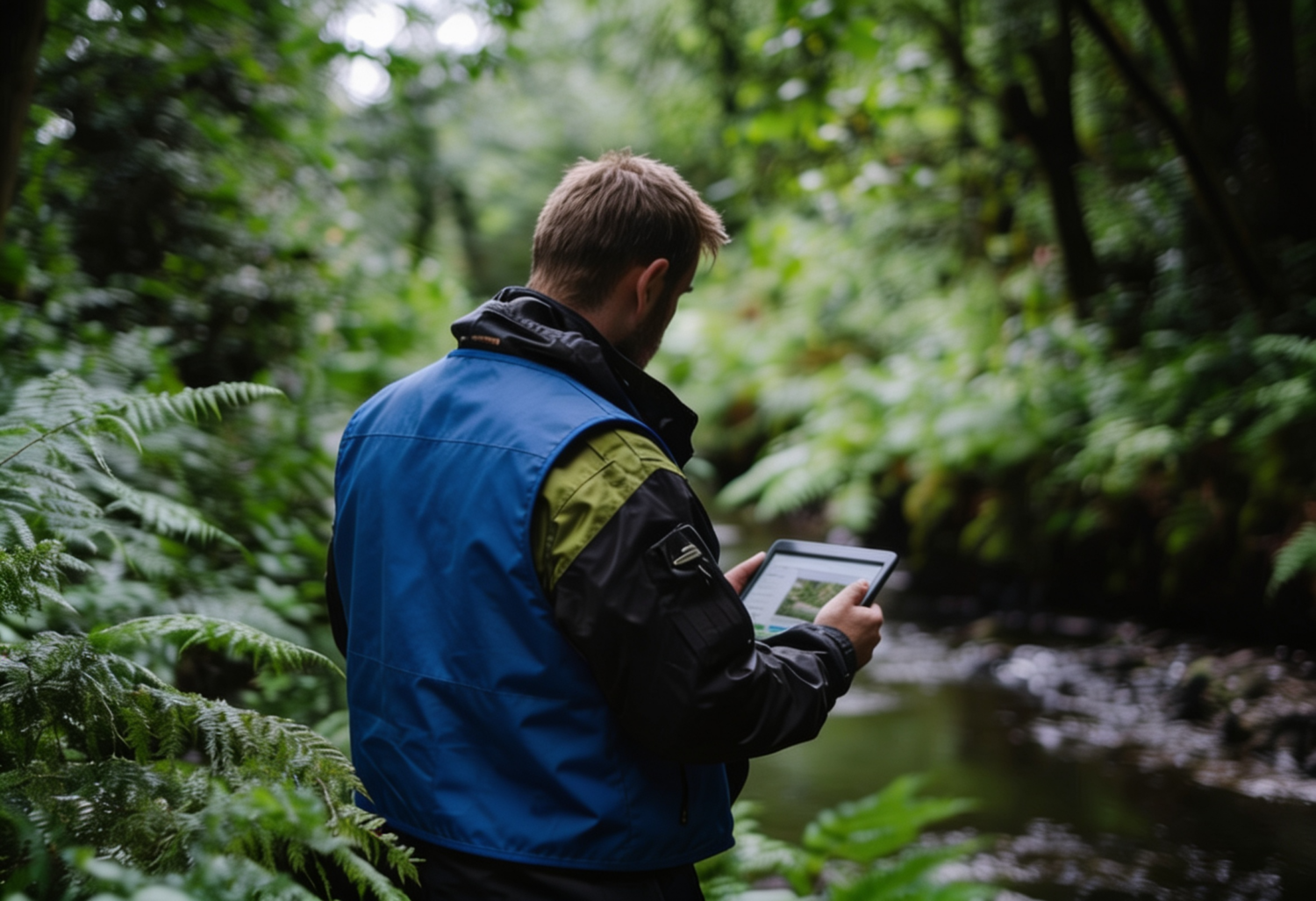
- Field surveys on biodiversity
- Species and habitat data collection
- Ecosystem monitoring
- Environmental impact evaluation
📜 Verification & Environmental Assessment
Supporting:
- Environmental compliance verification
- Evaluation of conservation program implementation
- ESG-based environmental assessment
📊 Audit & Consulting
Providing:
- Environmental management audits
- Sustainability strategy consulting
- Biodiversity program implementation support
- Data-driven recommendations
Because protecting biodiversity requires proper systems—not just intentions.
Eid al-Adha as a Moment for Greater Awareness
Eid al-Adha is not only about sharing meat, but also about fulfilling responsibility—including protecting the environment we live in.
At the individual level, this can start with cleaner and more responsible processes.
At the corporate level, it requires structured systems such as the Biodiversity Action Plan.
Because ultimately, protecting biodiversity is not only about today—but about ensuring balance for the future.
And SUCOFINDO is here to ensure every step is more measurable, responsible, and sustainable.