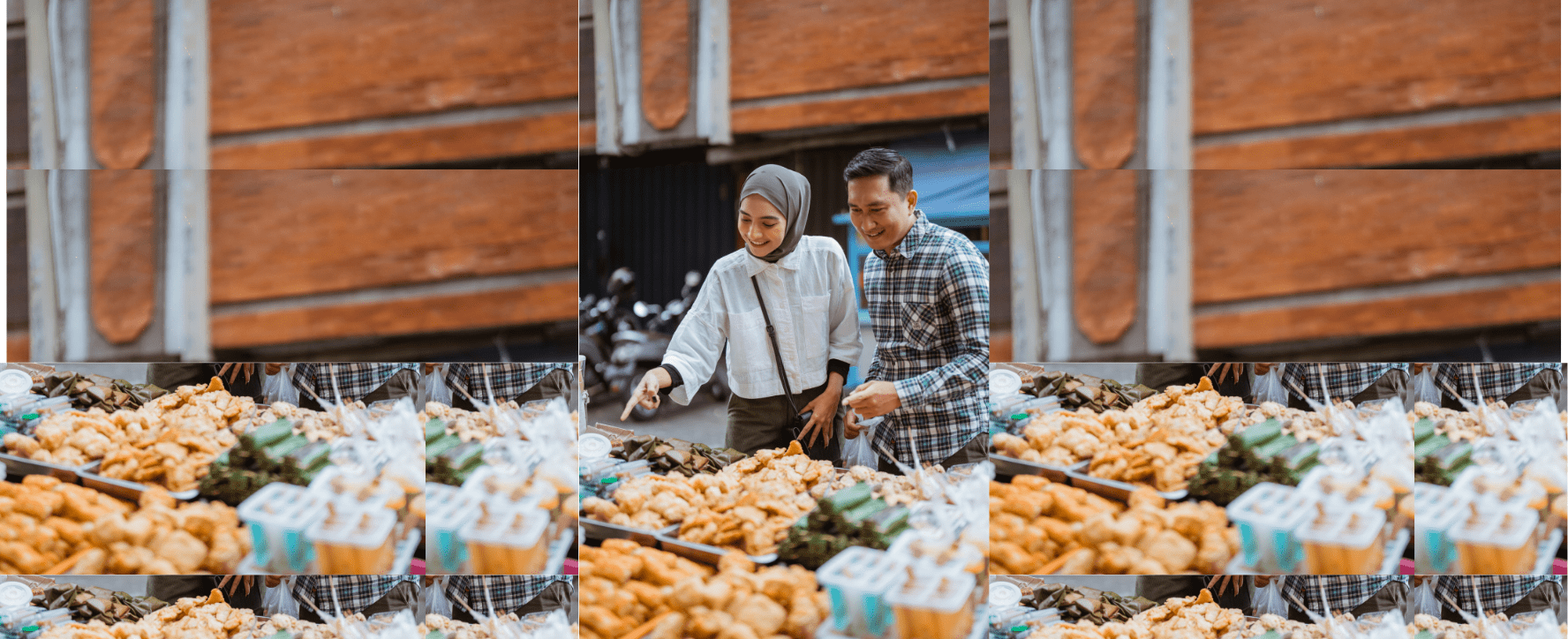
Ramadan brings a distinct atmosphere. Iftar becomes a cherished moment, meals are prepared with greater care, and consumption activities increase—both at home and outside.
Amid this togetherness, one question often matters most: are the products we consume truly halal and safe?
For many people, peace of mind during Ramadan comes not only from worship, but also from confidence that what they consume meets halal and quality standards. Yet that assurance does not appear by chance. It is built through processes, standards, and oversight working quietly behind the scenes.
Ramadan and More Selective Consumption Choices
During Ramadan, people tend to be more selective in choosing food and consumer products. Demand for food rises, businesses introduce more offerings, and menu variations expand.
In this context, consumers implicitly place trust in several aspects:
- the halal integrity of ingredients
- the hygiene of production processes
- the safety of consumed food
- the consistency of culinary business standards
This trust becomes an essential part of the Ramadan experience. Without it, a sense of ease in consumption is difficult to achieve.
Why Halal and Food Safety Must Be Maintained
The surge in consumption during Ramadan increases potential risks along the food production chain. Unverified raw materials, inadequate hygiene practices, or inconsistent halal systems can affect consumer confidence.
This is where standards and oversight play a vital role.
- Halal standards ensure ingredients and processes comply with requirements.
- Food safety standards protect product quality and hygiene.
- Audits and inspections ensure consistent implementation.
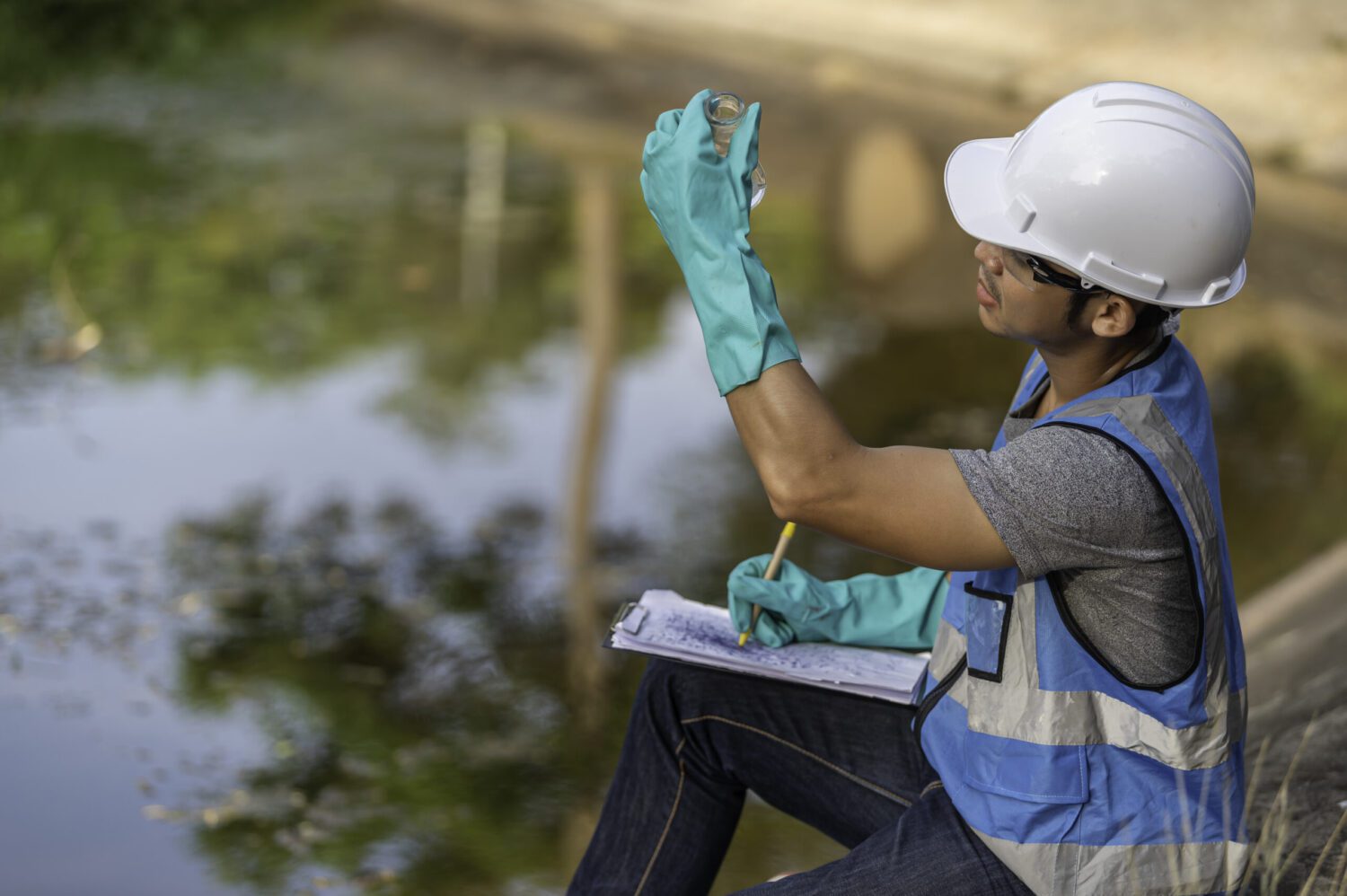
- Laboratory testing provides scientific evidence of safety.
Because fundamentally, halal and safe products do not happen by accident—they result from systems that are maintained and verified.
The Role of Assurance Services in Safeguarding Halal and Food Safety
To ensure products remain trustworthy during Ramadan, an integrated approach is required through certification, audits, testing, and inspections.
Key services that support halal and food safety include:
- Halal Certification
Halal certification confirms that products and processes meet applicable halal requirements, providing trusted assurance for consumers.
- Halal Certification Inspection
Halal inspections verify the conformity of materials, production processes, and facilities prior to certification issuance.
- Halal Assurance System (SJPH) Audits
SJPH audits ensure halal systems are consistently implemented in business operations, sustaining halal integrity over time.
- Food Laboratory Testing (Quality and Safety)
Laboratory testing evaluates food quality parameters, contaminants, and safety to confirm products are safe for consumption.
- Food Safety Audits and Certification (GMP, HACCP, ISO 22000)
Food safety audits ensure production systems operate hygienically, controlled, and aligned with international standards.
- Production Process and Facility Inspection
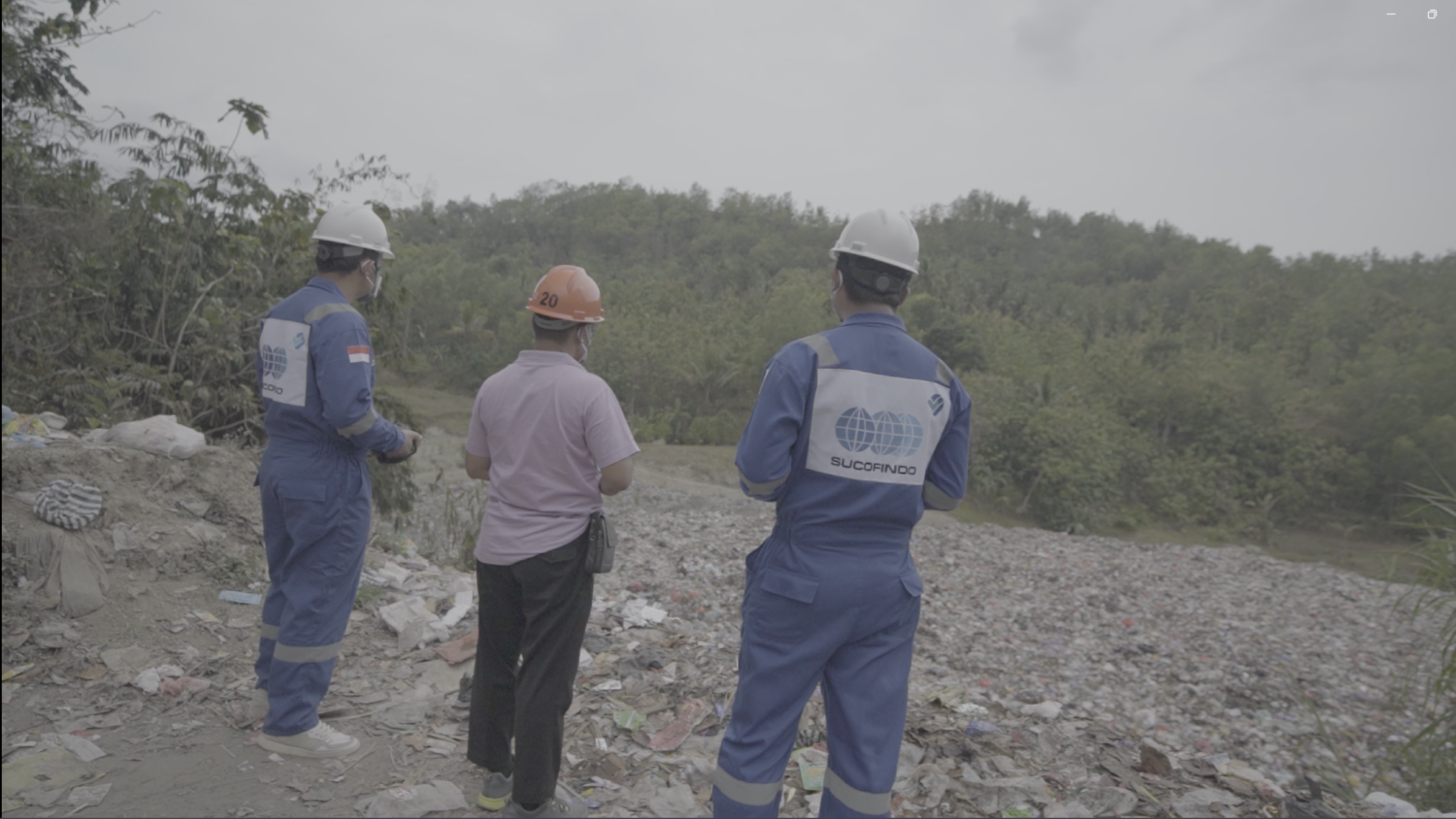
Inspections assess facilities, equipment, and production practices to ensure compliance with halal and food safety requirements.
Through this combination of services, products are not only halal by claim but also systematically tested and verified.
A More Peaceful Ramadan with Trusted Choices
Ramadan is an important moment for both consumers and businesses to strengthen trust in the products they consume and provide. Halal and safe products bring peace of mind in worship while enhancing business credibility.
Trusted choices are built on maintained standards, monitored processes, and proven quality.
Because ultimately, peace during Ramadan is shaped not only by what we do—but also by what we choose.