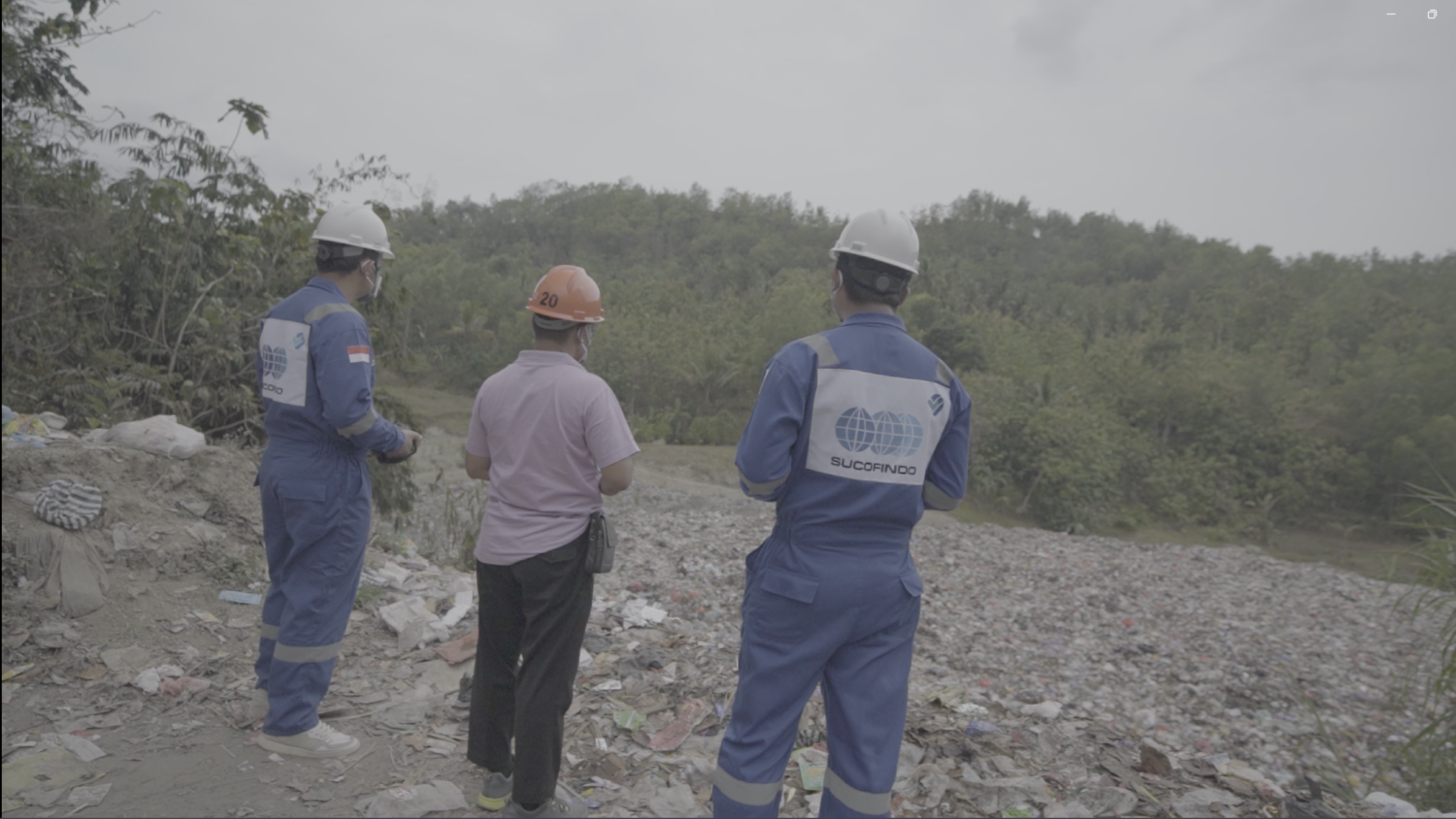
Waste is often considered a finished matter once it is disposed of. However, in terms of environmental protection and business sustainability, the real impact often begins afterward. Poorly managed waste can contaminate water, air, and soil, posing risks to public health and business continuity.
For this reason, waste management cannot focus solely on the final stage. Monitoring from the early stages of the process is essential to prevent environmental impacts before they escalate.
Environmental Issues Begin with the Process
In industrial and business activities, waste is an unavoidable part of operations. Every production process may generate wastewater, solid waste, and emissions.
Environmental problems often originate from:
- Ineffective wastewater treatment processes
- Unmonitored emissions
- Waste management that does not meet environmental standards
- Lack of data-based monitoring
Without early control, these issues can develop into serious environmental problems.
Why Early-Stage Monitoring Matters
Reactive approaches often result in action only after problems occur. In contrast, upstream waste management monitoring enables:
- Early identification of environmental risks
- More effective pollution control
- Prevention of regulatory non-compliance
- Reduced costs related to environmental impacts
This approach integrates waste management into a sustainable operational system.
The Role of Waste Testing
Waste testing provides a clear understanding of waste characteristics and pollutant levels. Through wastewater and solid waste testing, companies can:
- Obtain objective data on waste quality
- Ensure compliance with environmental standards
- Evaluate treatment effectiveness
- Support continuous process improvement
Without proper testing, waste management efforts may be ineffective.
Emission and Wastewater Monitoring
Regular monitoring of emissions and wastewater allows companies to:
- Control pollution on an ongoing basis
- Detect deviations at an early stage
- Protect surrounding environmental quality
- Fulfill environmental reporting obligations
Environmental Compliance Verification
Environmental compliance verification ensures that waste management practices meet applicable regulations. This process helps companies:
- Minimize the risk of penalties
- Maintain operational continuity
- Strengthen public trust
- Demonstrate responsible business practices
SUCOFINDO’s Role in Waste Management
As an independent Testing, Inspection, and Certification (TIC) body, SUCOFINDO supports responsible waste management through:
- Waste testing in accordance with environmental standards
- Emission and wastewater monitoring
- Environmental compliance verification
This data and standards-based approach helps companies manage environmental impacts systematically and sustainably. Take control of your environmental impact. Make sure your waste is tested, emissions are monitored regularly, and compliance is maintained—with SUCOFINDO as your trusted partner.