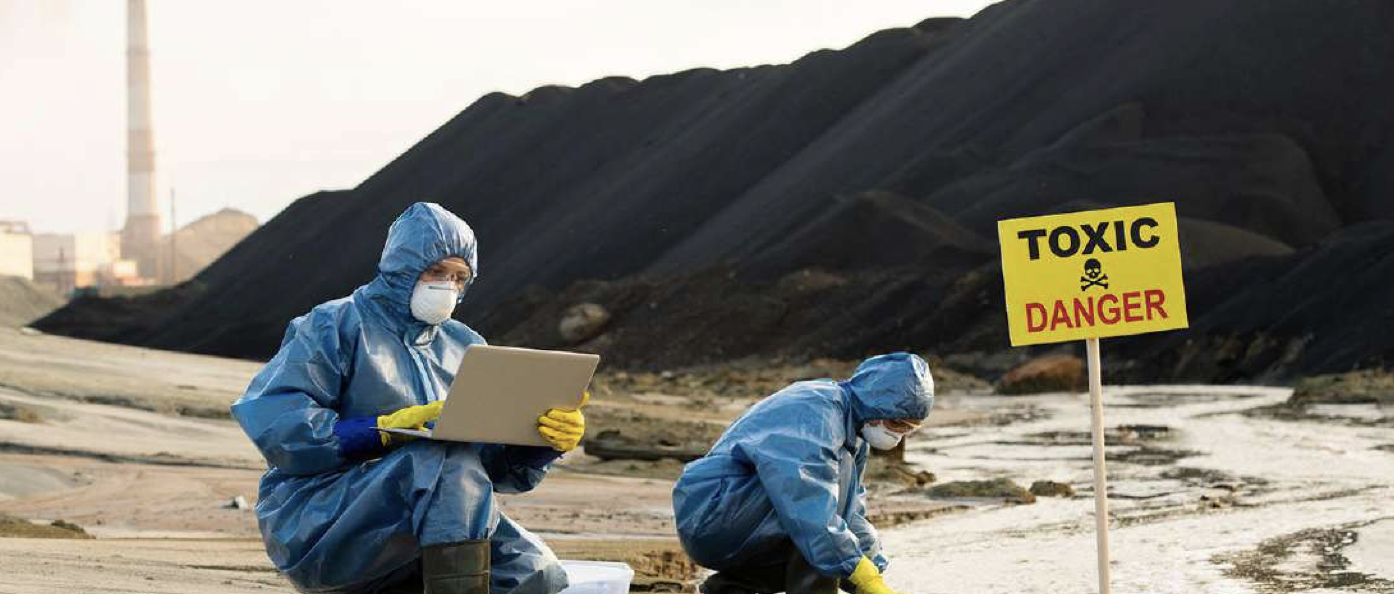
At SUCOFINDO, we provide sampling, testing, and analysis in Indonesia for solid waste, hazardous and toxic waste (B3), and contaminated soil. Our services give you analytical information about selected materials to support environmental monitoring, material assessment, and waste management decisions. The scope reflects the material and purpose of the investigation.
Agricultural and forestry operations generate different residues, discarded materials, and potentially contaminated soil. Their characteristics vary according to their sources and the activities that produce them. An effective assessment therefore starts by identifying the material and the questions the analysis needs to answer. Our findings remain tied to the samples collected and the agreed testing scope.
Service Scope
We establish sampling and testing arrangements according to the material category, source, and assessment objectives. Solid waste, B3 waste, and contaminated soil have distinct sampling procedures and analytical requirements.
Before work begins, we confirm sample types, locations, test parameters, and reporting requirements. Depending on the assignment and requirements, our services may include:
Sampling and analysis: Collection of selected solid waste, B3 waste, or contaminated soil from agreed locations, followed by analysis using methods appropriate to the scope.
Material characterization: Testing to determine relevant physical or chemical characteristics of submitted samples, based on the parameters selected for the assessment.
Monitoring and reporting: Documenting sampling and analytical results in reports that provide a reference for material assessment, waste management, treatment planning, or further environmental investigation.
Supporting Agricultural and Forestry Operations
Agricultural processing and forestry activities may produce crop residues, processing by-products, packaging waste, and materials requiring further assessment. The appropriate response depends on each material's source and characteristics.
Our services provide information to help your organization determine next steps for selected waste streams or potentially contaminated areas. Results can document the basis for considering specific handling or treatment options.
Treatment planning: Use analytical findings to inform the selection or review of treatment options appropriate to the material assessed.
Waste handling and management: Refer to material characteristics when considering segregation, storage, handling, and management arrangements.
Environmental investigation: Use test results when examining a waste source or an area where contamination is suspected.
Operational review: Compare results from agreed sampling periods or locations to identify changes that may require further assessment.
Discuss Your Requirements
To discuss a sampling and testing assignment, provide details about the material, its source, facility or sampling locations in Indonesia, and assessment purpose. Identify whether the samples involve solid waste, B3 waste, or contaminated soil. You can also share known hazards, relevant handling information, previous test results, and required parameters. For multi-site operations, indicate which locations and materials should be included so the proposed scope reflects your requirements.
Whether you are characterizing material for the first time or following up on previous findings, SUCOFINDO can discuss sampling and analysis arrangements relevant to your operation.
Contact SUCOFINDO to discuss your solid waste sampling and testing requirements in Indonesia. You can also explore Our Other Services and Business Sectors to learn about our services across industries.